Benefiting from increased car ownership, a growing emphasis on in-car comfort, and heightened awareness of air quality, vent/clip-on air fresheners, with their stylish, compact designs and continuous fragrance release, have dominated the market. They are small, attractive, inexpensive, and disposable.
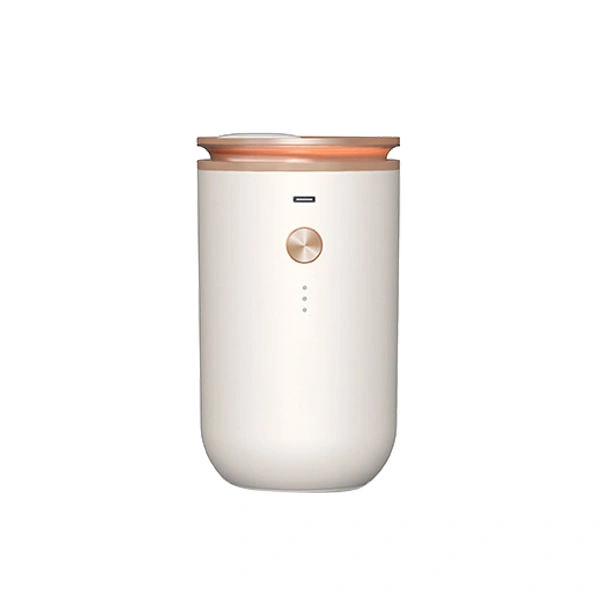
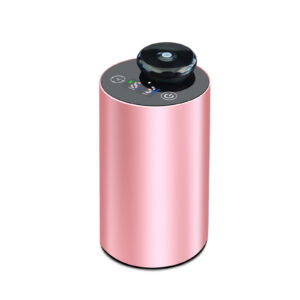
However, more and more businesses and consumers are also choosing electric vehicle essential oil diffusers. Compared to the former, they offer stronger aroma diffusion, more attractive designs (such as those made of aluminum alloy), a more technological feel, and the visually perceptible mist spray provides a more relaxing and comfortable experience.
The Car is the New Third Space
For decades, the car air freshener market was simple: a cardboard tree hanging from the mirror or a plastic clip on the vent. It was functional, cheap, and disposable.
But the game has changed.
As Electric Vehicles (EVs) take over the roads, the car interior is no longer just a cockpit; it has become a “Third Space”—a mobile sanctuary between work and home. Drivers use this space for calls, meditation, and decompression.
This shift in user behavior is forcing a hardware revolution. Here are the 3 critical trends we are seeing from the manufacturing frontline in 2026.
1. Representative brand:
Car air freshener:
Diptyque(France)
Airpro Car (U.S.)
Car-Freshner Corporation (U.S.)
Chemical Guys (U.S.)
Church & Dwight Co., Inc. (U.S.)
American Covers (U.S.)
Eikosha Co., Ltd. (Japan)
Newell Brands (U.S.)
Godrej Group (India)
Unilever (U.K.)
AirQ (Taiwan)
JRV Industries LLP (India)
Custom Air Fresheners (U.K.)
Pongo (U.K.)
My Air Freshener, Inc. (U.S.)
IKEDA (U.S.)
Car Electric Essential Oil Diffuser:
Aroma 360 (US)
Scentperfique (France)
Ceeniu (CN)
Pura (US)
2. Opportunities and Challenges
Selling electric car diffusers offers better profit margins, but also requires superior visual and fragrance experiences, such as:
rechargeable,
natural essential oil atomization,
portable and leak-proof,
elegant design and materials,
and intelligent start-stop functionality.
3. High repurchase rate and high gross profit margin
For example, natural evaporation and balm-type diffusers are priced under $10 on average on Amazon, while electric car diffusers are priced at $20 on average (excluding brand premiums). Also, for a 10ml bottle of essential oil, you need to buy a new bottle every three months on average. Brand sellers can even charge a premium of 8-10 times.
Buyers should know
If you’re planning to wholesale some electric car diffusers, you absolutely need to understand the supply chain secrets, otherwise this business will be a crisis rather than an opportunity.
1. After-sales service risks
Finding suppliers locally offers convenient after-sales service, but your purchase price will be 20%-30% higher than suppliers in China. This is suitable for beginners, and local suppliers may not offer very novel or unique styles and models.
Looking for suppliers in China: While the price is cheaper, after-sales service carries significant risks. Therefore, it’s essential to agree that the factory must provide replacement parts and to negotiate details with the supplier regarding labor costs, shipping fees, customs clearance fees, etc., incurred during repairs.
For minor after-sales issues, requesting compensation with a new diffuser is sufficient.
2.Mitigating risks by leveraging professional procurement knowledge
Request samples: Requesting customized samples allows you to check the supplier’s cooperation, professionalism, product quality, packaging quality, and transportation services.
High temperature test: Car oil diffusers must be able to withstand a high-temperature test of 70-80 degrees Celsius. Outdoor cars can easily reach this temperature; otherwise, a diffuser destroyed by such high temperatures would be a disaster. Melting, damage, and even fire could occur.
Oil leak prevention test: Simulating the usage scenario of a car essential oil diffuser, a user might pick it up, tilt it, invert it, and examine it from all angles, resulting in leaked oil dripping onto their hands and car, potentially corroding the car’s interior. Therefore, preventing leaks during short-term pouring is essential.
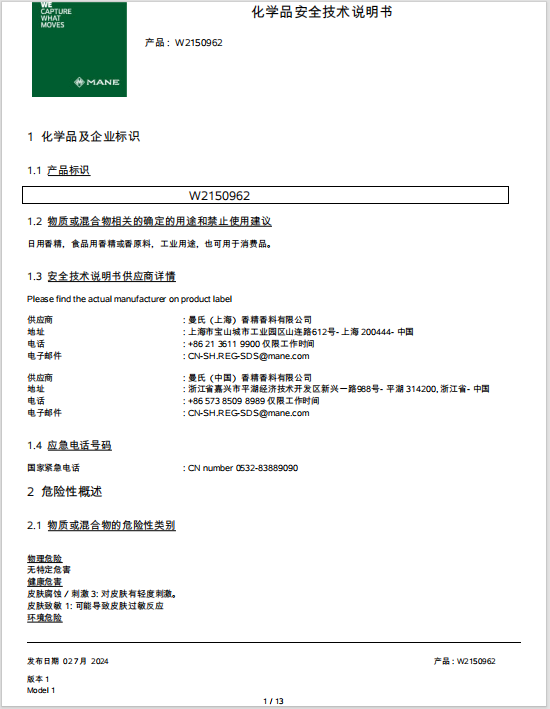
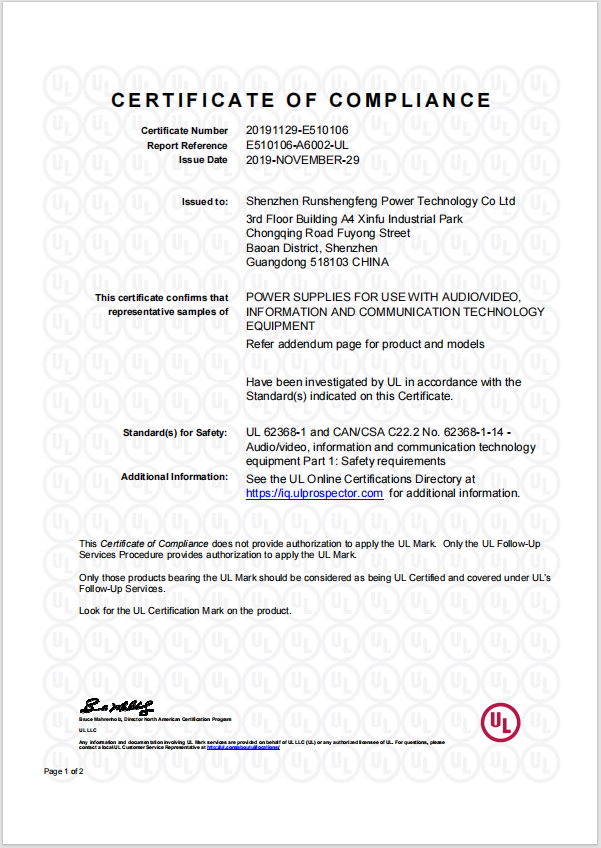
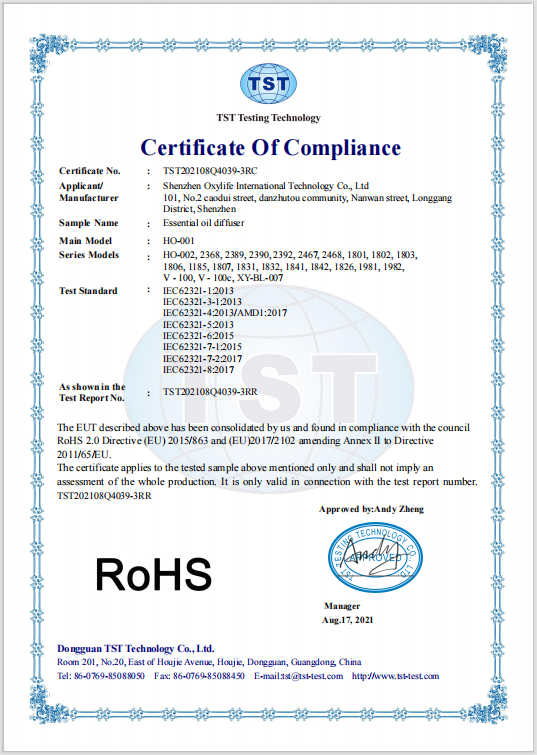
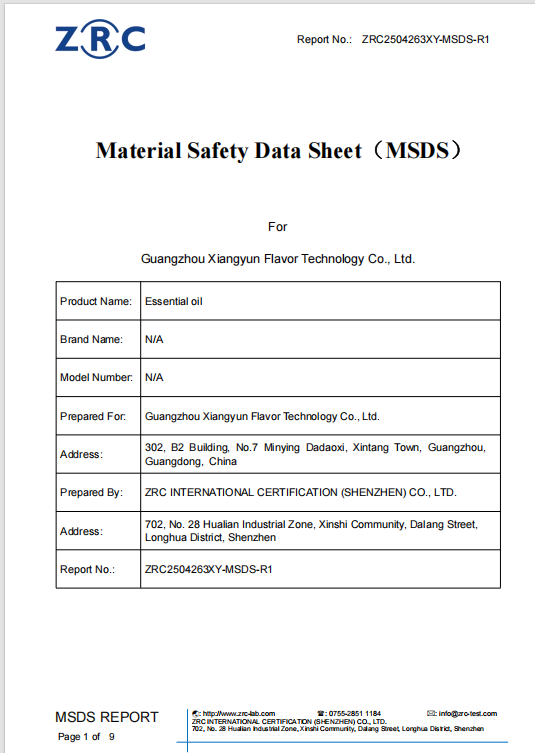
Other checks and tests include aging tests, noise tests, concentrated oil atomization tests, alcohol atomization tests, battery test reports, certification requirements, etc.




 English
  Spanish