1. Introduction: Why Your Diffuser Has No Mist or Weak Mist
Aroma diffusers often suffer from no mist, weak mist, or intermittent spraying during daily use and long-term wholesale operation. Most online troubleshooting guides offer generic solutions that fail to fix root issues. The key reason is simple: three common types of essential oil diffusers adopt different atomization structures, leading to completely different fault causes and repair methods.
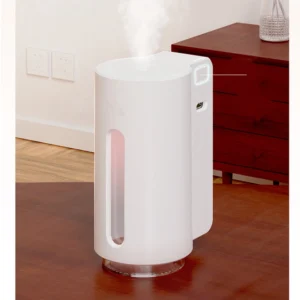
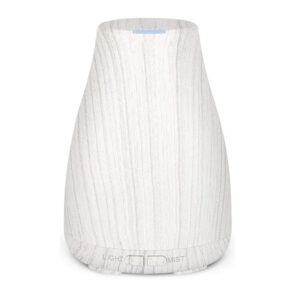
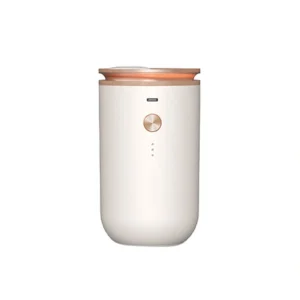
Three diffuser models dominate the household and commercial wholesale market: twin-fluid air pump cold mist diffusers, standard ultrasonic diffusers, and ultrasonic micro-hole water-based diffusers, There is also a less common type of ultra-high frequency ultrasonic aroma diffuser that can directly atomize essential oils.. Each has an independent working principle and exclusive failure logic. This professional, categorized guide provides step-by-step troubleshooting and repair tips for all four types, helping users fix 99% of no-mist and low-mist diffuser faults efficiently.
2. Core Fault Difference of Four Mainstream Diffusers
To avoid invalid repairs, first identify your diffuser type. Below are the exclusive core faults of the three mainstream models for quick reference:
- Twin-fluid Air Pump Cold Mist Diffuser: Faults are mainly caused by air pressure leakage, loose atomizing core, and high-viscosity essential oil blockage, focusing on airtightness and oil adaptability problems.
- Standard Ultrasonic Diffuser: 80% of no-mist faults come from fan failure, followed by damaged ultrasonic atomizing plates and circuit board short circuits caused by water leakage.
- Ultrasonic Micro-hole Diffuser: 90% of spraying failures result from blocked micro atomizing holes, which are only compatible with water-based essential oils and extremely vulnerable to dry oil solidification and dust blockage.
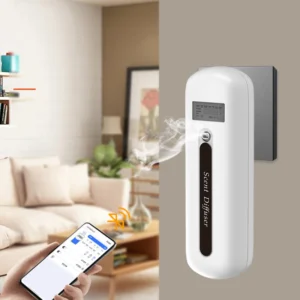
There are many other types of diffusers not mentioned here; check out our blog page for all types of essential oil diffusers available wholesale. - Non-mainstream diffuser – Ultra-high frequency essential oil atomizer: The main reason for no mist is incompatibility with the essential oil. We recommend purchasing our pre-blended and tested essential oils, or having your essential oil supplier conduct long-term testing and viscosity adjustments for each oil. Currently, the UD500 only supports essential oils with a viscosity value less than 45 CP. If you do not have a machine for testing viscosity values, you will need to conduct long-term testing on the diffuser itself.
3. Layered Sourcing & Maintenance Knowledge
Basic Level: Structural & Working Principle Differences
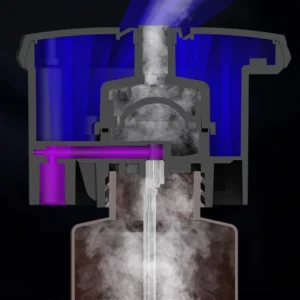
Different atomization structures determine different maintenance methods. The twin-fluid air pump cold mist diffuser uses a high-pressure air pump and atomizing core to break oil particles into cold mist, with no heating or vibrating parts. The standard ultrasonic diffuser relies on fan airflow and high-frequency vibration of ultrasonic plates to generate mist, with normal fan operation as the core working condition. The ultrasonic micro-hole diffuser atomizes liquid through micron-scale tiny holes. It only works with water and water-based diluted essential oils, and cannot adapt to thick pure essential oils.
Intermediate Level: Targeted Fault Cause Analysis
Air pump diffusers mostly produce low or no mist due to loose bottles, unfixed nozzles, displaced atomizing cores, or improper use of thick/water-based essential oils. For standard ultrasonic diffusers, faulty or slow fans and damaged vibration plates are the top causes of spraying failure. Micro-hole diffusers almost always stop working because dried essential oil residues and dust block their tiny micropores. Additionally, battery aging, oil corrosion, and circuit short circuits are common secondary faults for all ultrasonic diffuser models.
Advanced Level: Professional Spare Parts Replacement Standards
Standardized spare part matching is essential for wholesale after-sales maintenance and avoids repeated faults. When replacing an ultrasonic diffuser fan, three parameters must be consistent: working voltage (5V, 12V, 24V), overall dimension, and four screw hole positions. Fan speed does not affect compatibility — it only adjusts mist volume and operating noise. When replacing ultrasonic atomizing plates, strictly match the official coding and size marked on the original plate. All replacement accessories need unified terminal sizes for normal power connection. Mainboards short-circuited by water leakage or oil corrosion cannot be repaired and require direct factory replacement.
4. Model-Specific Step-by-Step Repair Solutions
4.1 Twin-Fluid Air Pump Cold Mist Diffuser Repair
Low Mist Troubleshooting & Fix
First, check stable power supply, sufficient battery power, and normal indicator light and air pump operation. If the mist output is weak, block the air outlet with your finger for 3 seconds then release it to clear internal air pressure blockage. Next, tighten the spray nozzle and bottle body to prevent air leakage. Check and fix loose or offset atomizing cores. Meanwhile, confirm your essential oil type: thick pure oils and impure water-based oils will block the atomizing structure and cause low mist.
No Mist Troubleshooting & Fix
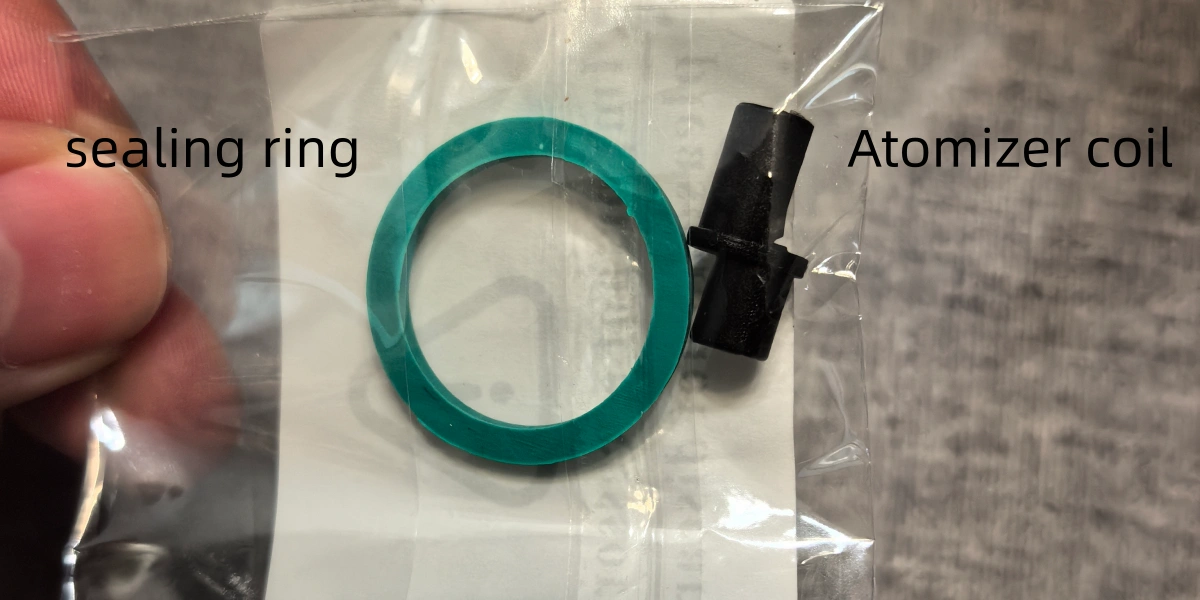
If the diffuser produces no mist at all, reset and tighten the atomizing core first. Then add pure alcohol to the bottle and run the device continuously for 30 minutes to dissolve and flush accumulated oil dirt. If cleaning and resetting fail to restore spraying, replace the atomizing core to solve the fault fundamentally.
4.2 Standard Ultrasonic Diffuser Repair (Fan + Atomizing Plate Type)
80% of no-mist issues with standard ultrasonic diffusers stem from abnormal fan operation. After powering on, check if the internal fan rotates normally. If the fan stalls or runs slowly, replace it with a matched model that fits the original voltage, dimension, and screw hole layout. Fans with different rotating speeds are fully compatible and only affect mist volume and noise level, not core functions.
If the fan works normally, inspect the ultrasonic atomizing plate. Qualified atomizing plates are labeled with exclusive coding and size specs for accurate replacement. Then check the internal circuit: water leakage and oil immersion will corrode and short the mainboard, which cannot be manually repaired and requires a factory replacement. Always ensure all accessory terminals match and plug in tightly after replacement.
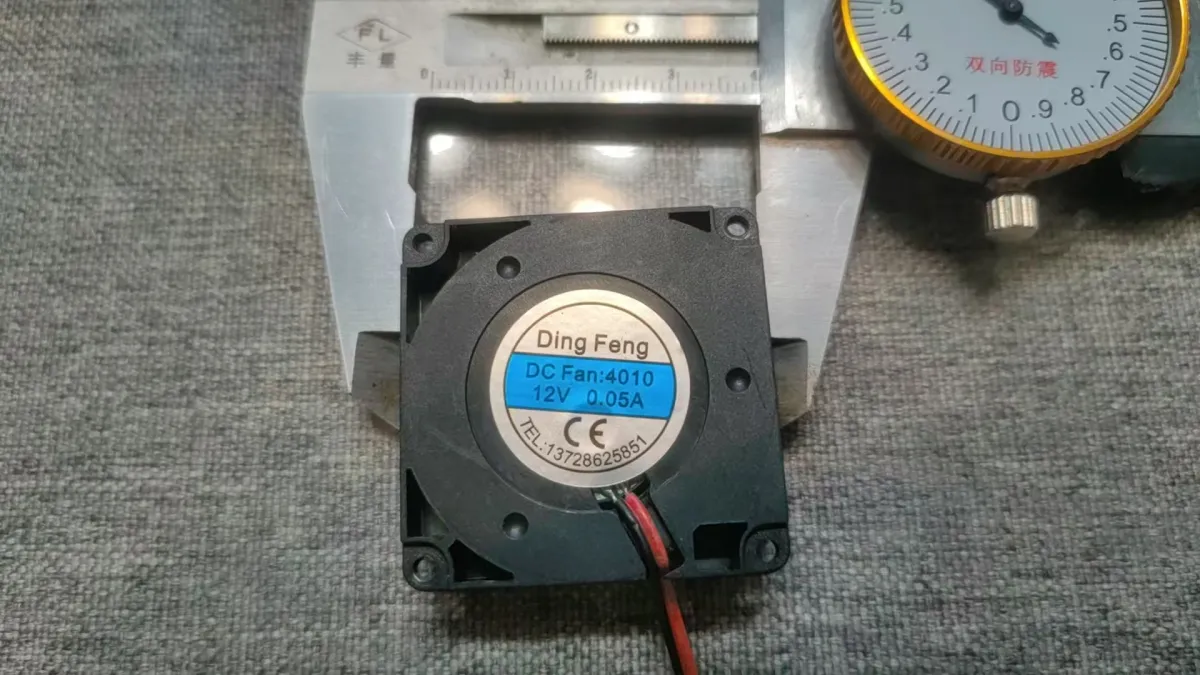
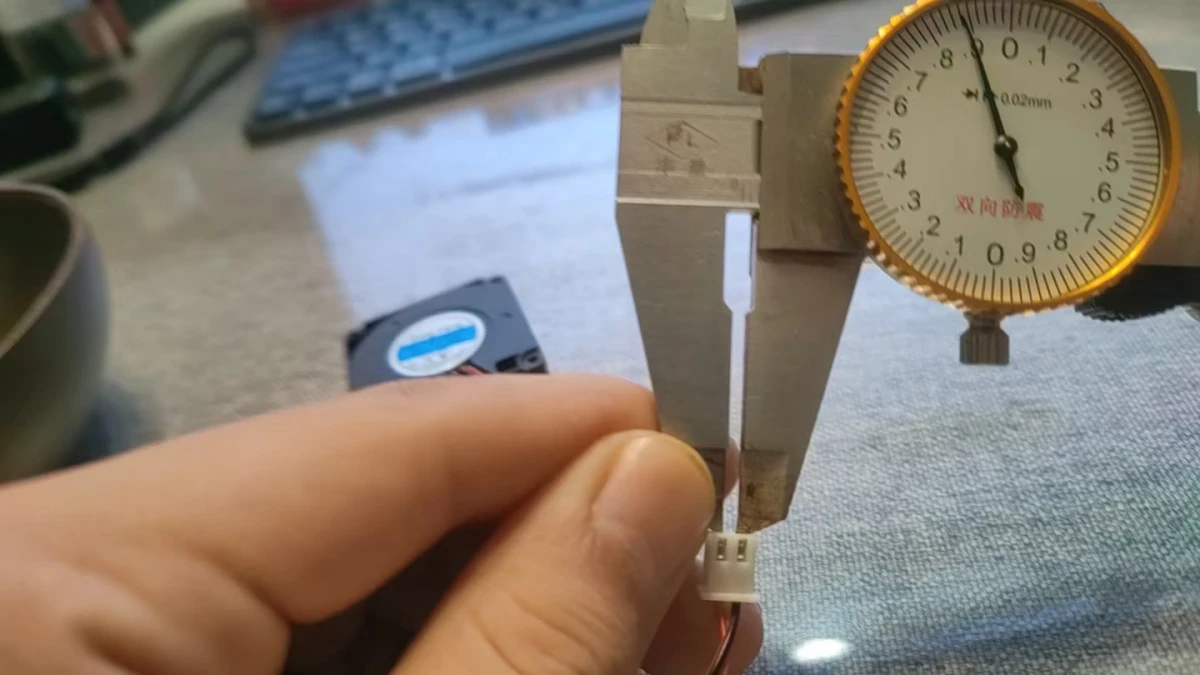
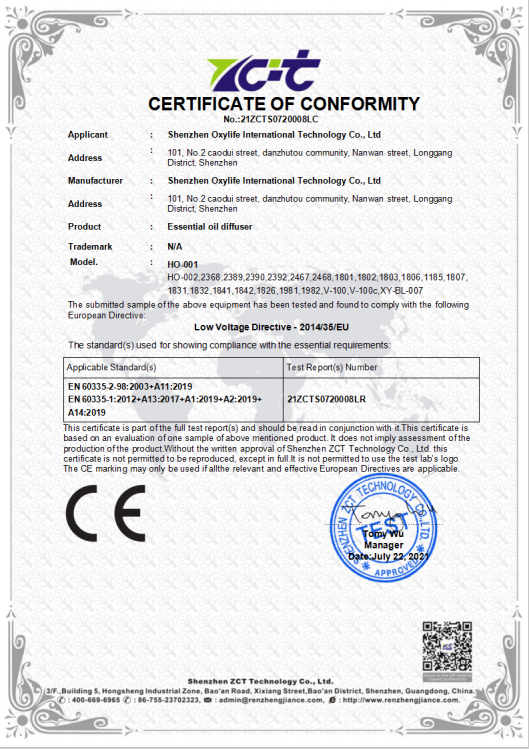
The fan shown in the picture has the following CE certification parameters: 4010/12V 2700 RPM, 100mm outer wire length, 2.0 positive terminal.
4.3 Ultrasonic Micro-Hole Diffuser Repair (Water-Based Oil Exclusive)
Ultrasonic micro-hole diffusers only support water and water-based diluted essential oils, with 90% of no-mist faults caused by blocked micron-scale micropores. Dried solidified oil residues and fine dust easily clog these tiny holes and disable atomization. To fix it, replace the liquid with 75% alcohol or high-purity double-dealcohol alcohol, run the device to soften blockages, and drop alcohol on the atomizing plate for soaking. For severe clogging, remove the plate and soak it fully in alcohol.
Important Prohibition: Never wipe the micropore surface with a cotton swab, as it will scratch precision tiny holes and permanently damage the atomizing plate. Other common faults include damaged batteries, oil-corroded circuits, loose atomizing plate solder joints, and mainboard short circuits, all requiring professional accessory replacement and technical maintenance.
The video below shows what the blocked ultrasonic atomizing Pina device looks like when it’s working.
4.4 UD Series Ultra-High-Frequency Diffuser — Weak Mist or No Mist
Applies to: UD series waterless nano-atomizing diffusers (UD11 / UD500)
Work through the steps in order — each one is quicker than the next.
Step 1 — Inversion test (10 seconds, no disassembly)
Invert the diffuser for 10 seconds, set it upright, and run it.
- Mist returns → the wick is absorbing oil too slowly. Flush the wick with alcohol, or switch to a lower-viscosity oil so the wick saturates fully and stays in contact with the atomizer plate.
- No change → go to Step 2.
Step 2 — Alcohol test (isolates oil vs. hardware)
Drain the oil chamber completely, refill with alcohol, and run the unit.
- Mist normal with alcohol → the unit is working; the oil viscosity is too high. UD series supports oils of 45 cP (centipoise) or lower only.
- Still no mist → go to Step 3.
Step 3 — Reseat the cotton wick
A gap between the wick and the atomizer plate will stop atomization. Remove the wick and refit it so it sits flush against the plate with light, even contact.
Step 4 — Clean or replace the cotton wick
The wick may be clogged and no longer drawing oil. Remove it, flush thoroughly with alcohol, and refit — or fit a new wick.
Prevention
- Keep total formula viscosity at or below 45 cP.
- Do not use formulas containing high-viscosity carrier/base oils.
5. Common Maintenance Mistakes That Damage Diffusers
- Mistake 1: Using inappropriate essential oils Using thick pure essential oils on micro-hole diffusers and ultrasonic diffusers will cause rapid blockage and permanent component damage.
- Mistake 2: Mismatched fan replacement Replacing ultrasonic diffuser fans with inconsistent voltage and size will cause power failure or even burn the main board.
- Mistake 3: Wrong cleaning operation Wiping micro-hole atomizing plates with cotton swabs destroys the precision micropores and leads to scrapped accessories.
- Mistake 4: Ignoring airtightness inspection Loose bottle bodies and nozzles of air pump diffusers cause long-term air leakage, resulting in persistent low mist.
- Mistake 5: Blindly replacing accessories Replacing atomizing plates without referring to the original coding and size will lead to incompatible installation and abnormal operation.
- Mistake 6: Neglecting terminal matching Inconsistent accessory terminal sizes will cause poor power contact and intermittent equipment failure.
6. FAQ for Diffuser No-Mist & Low-Mist Problems
1. Why is my diffuser light on but no mist coming out?
Fault causes vary by diffuser type. Air pump diffusers usually fail due to clogged atomizing cores or loose airtight parts. Standard ultrasonic diffusers stop misting mainly from faulty fans or damaged atomizing plates. Micro-hole diffusers lose function mostly because dried essential oils block their precision micropores.
2. Can I replace the diffuser fan with a different speed fan?
Yes, you can replace it with a different-speed fan. Fan speed only affects mist volume and working noise, not compatibility or core functions. The three mandatory matching standards are voltage, overall dimension, and screw hole position.
3. Why are micro-hole diffusers blocked easily?
Micro-hole diffusers feature micron-scale atomizing holes. Thick pure essential oils, undiluted oil solutions, and dried oil residues can easily block these tiny holes. This specialized diffuser only supports pure water and water-based diluted essential oils, making it more prone to clogging than other models.
4. How to match the correct ultrasonic atomizing plate?
Genuine ultrasonic atomizing plates are marked with unique coding and size parameters. To ensure full compatibility and normal operation, purchase and replace new plates strictly according to the original factory specs.
5. Can alcohol cleaning fix all blockage problems?
Alcohol soaking and cyclic cleaning can resolve most oil dirt and solidified blockage issues. However, if the atomizing core, fan, or atomizing plate is physically damaged, aging, or deformed, cleaning will not work, and direct part replacement is required.
6. What should I do if the diffuser circuit board is short-circuited?
Manually repairing short-circuited mainboards caused by water leakage, oil corrosion, or power failure is not feasible. You need to replace the original factory-matched mainboard to restore normal use.
7. Get In Touch & Send Your Inquiry
If you need matched diffuser spare parts including atomizing cores, ultrasonic plates, cooling fans and main boards, or want to wholesale high-quality, low-failure-rate aroma diffusers, feel free to send us an inquiry. You can consult flexible MOQ, competitive wholesale pricing, sample requests, private label & OEM customization, exact delivery lead time, third-party inspection, and professional after-sales support. Our technical and sourcing team will provide tailored, cost-effective solutions and reply promptly to support your long-term aroma business growth.



 English
  Spanish