


Starting with a white-label platform
This project started with our existing white-label dual-nozzle diffuser, supplied as standard with two 80 ml (2.7 fl oz) PET essential-oil bottles. The customer wanted to keep the platform's scenting performance, but customize the machine with a full aluminum alloy body and aluminum bottles.
The brief sounded simple: change the materials, keep the functions. In product development, however, a material upgrade affects bottle fit, atomizer compatibility, internal space and surface finishing. Here is how we structured the prototype and production costs for this custom project.
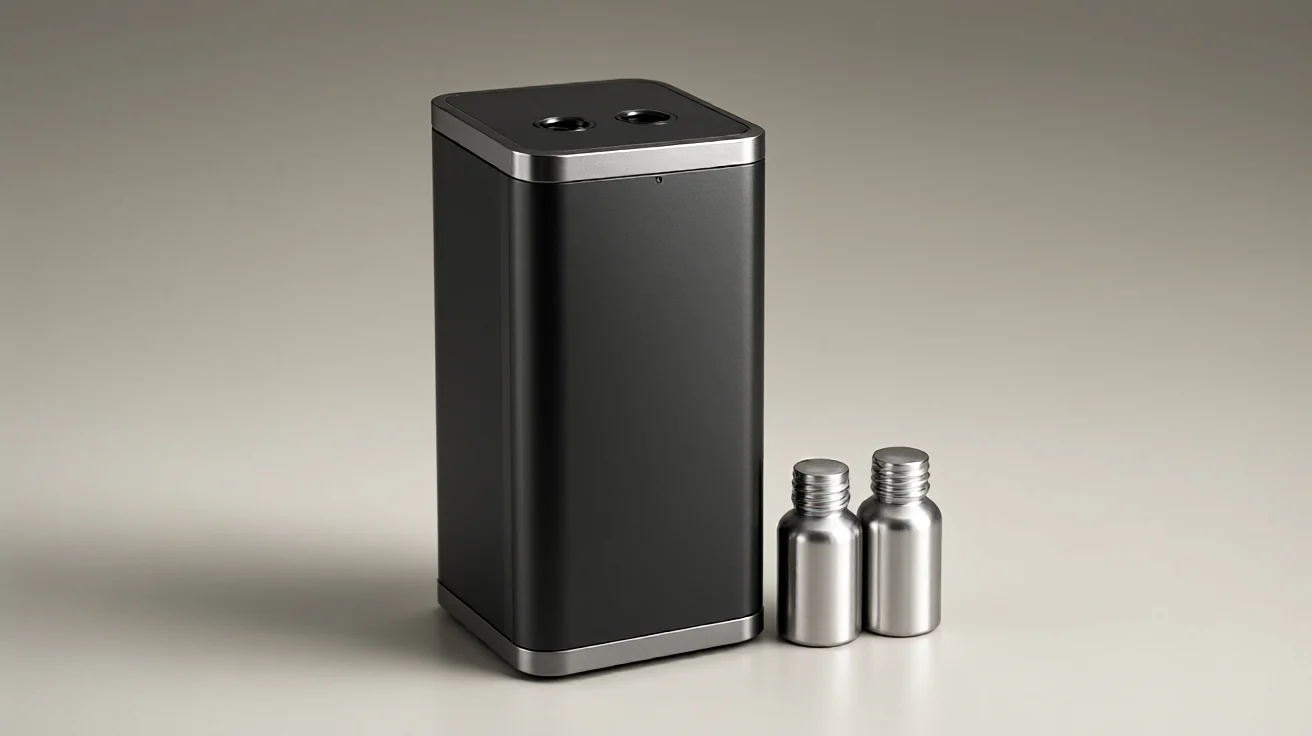
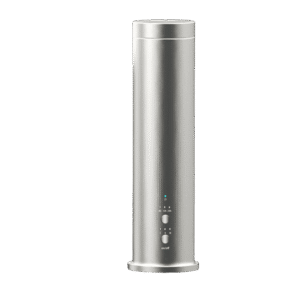
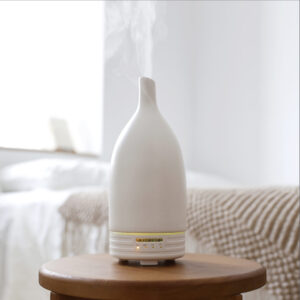
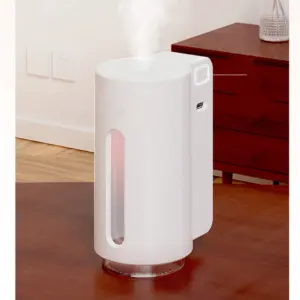
Concept illustration only, not an actual product photo. Images are generalized to protect customer confidentiality.
The five requested upgrades
- Full aluminum alloy body — CNC-machined with an anodized finish.
- Aluminum essential-oil bottles — replacing the standard pair of 80 ml (2.7 fl oz) PET bottles.
- 18 mm (0.71 in) universal threaded neck — the standard neck diameter used by many glass essential-oil bottles. Using the same specification allows the machine to work with both the custom aluminum bottles and compatible glass bottles.
- Anodized nozzle finish and custom silk-screen logo.
- Bluetooth app control — scent intensity can be adjusted through spray duration, with customizable spray time and frequency.
Both directions already exist on our catalog side: see our metal essential oil diffusers and smart scent diffusers for what the platform covers today.
Clarifying two limitations before sampling
For a custom project, clear boundaries are as important as an attractive quotation. We confirmed two points before sampling.
The app customization covers the app name, not a custom interface. The customer's brand name can be applied to the standard app, including its existing spray-time and frequency controls. Custom interface development is outside this scope.
The final bottle capacity may need to be reduced. The aluminum bottles must fit the space designed for the PET bottles. Aluminum wall thickness can reduce usable internal volume, so the final capacity will be confirmed on the physical sample rather than assumed to remain 80 ml (2.7 fl oz).
The customer accepted both conditions before we finalized the prototype quotation.
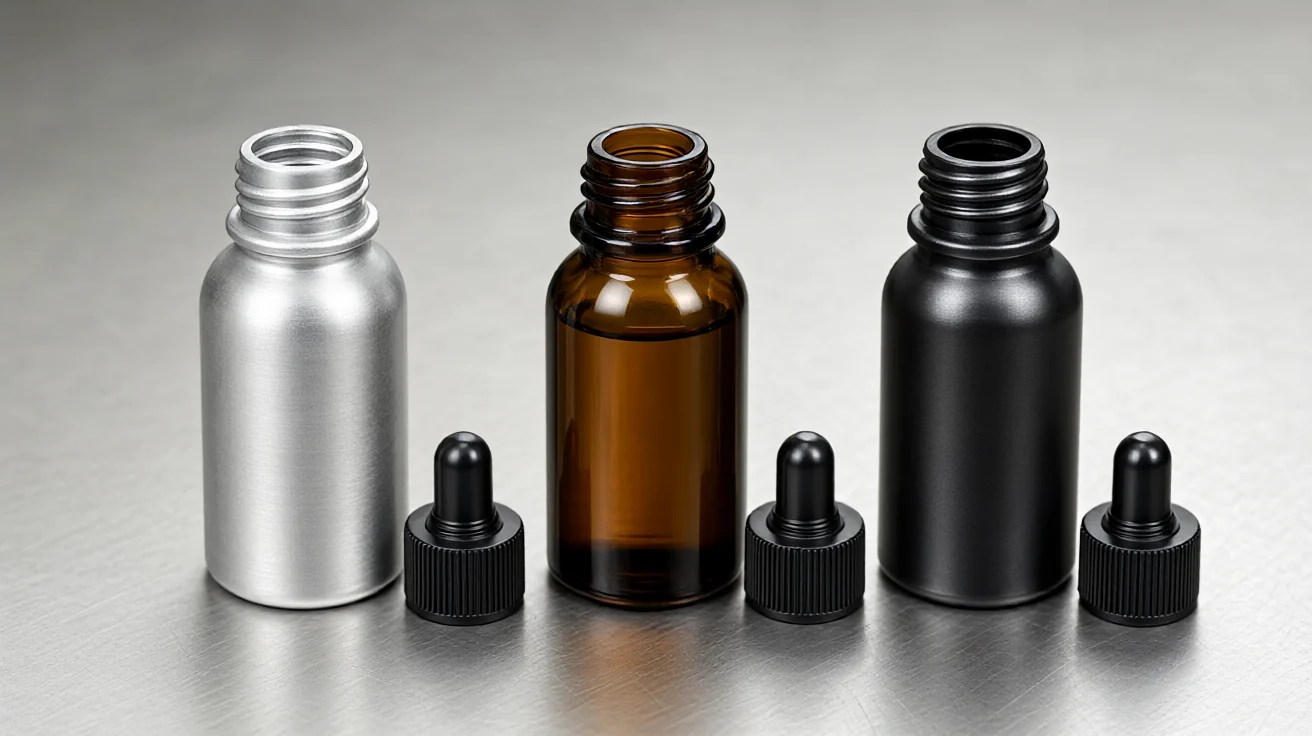
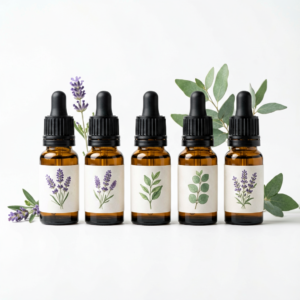
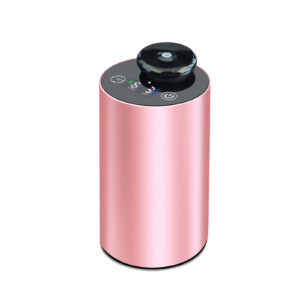
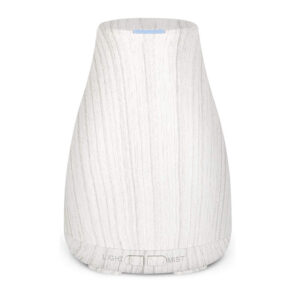
Concept illustration only, not an actual product photo. Images are generalized to protect customer confidentiality.
Prototype cost: USD 1,305
| Prototype item | Cost (USD) |
| Aluminum essential-oil bottle sampling | 165 |
| CNC-machined aluminum body sample with anodized finish | 180 |
| Combined app-name customization and solution development | 960 |
| Total prototype cost | 1,305 |
Why the development fee was combined into USD 960
The original solution development fee was USD 546. At that stage, we offered to refund or credit it against a subsequent production order: its cost could be absorbed by the expected order margin.
The customer then requested a branded app name. That added package-name changes, app rebuilding and the app release process. Unlike development work recovered through future production, this work is completed and delivered independently of whether a production order follows.
We therefore combined app-name customization and solution development into a single USD 960 fee. The earlier refund or credit offer was withdrawn. The customer had paid USD 890 under the previous proposal and paid the USD 415 balance to proceed with sampling.
The bottle MOQ does not match the first machine order
The aluminum bottle MOQ from our partner factory is 5,000 pieces. The first machine order is 500 units, and each dual-nozzle machine uses two bottles, so that order requires only 1,000 bottles.
This leaves 4,000 bottles available for subsequent machine orders or replacement stock. The extra quantity needs to be included in the buyer's upfront purchasing plan, even though it can support future replenishment. The production price of the aluminum bottle will be confirmed after sample approval; we are not assigning it an unsupported figure.
Production tooling and unit price
- Mass-production tooling: USD 1,824, charged separately as a one-time cost.
- Estimated machine price: approximately USD 33 per unit, based on 500 units, EXW.
The estimated unit price excludes essential-oil bottles, custom packaging and tooling. These items are quoted separately to avoid mixing one-off development costs with recurring production costs.
Five details before sampling
The remaining pre-sampling confirmations are the body surface finish, nozzle anodizing color reference, logo artwork and placement, whether custom packaging is required (not at this stage), and the manual's content and language.
Once these details are confirmed, sampling can begin. The aluminum bottle sample will then determine the bottle price and final usable capacity before the 500-unit production order is finalized.
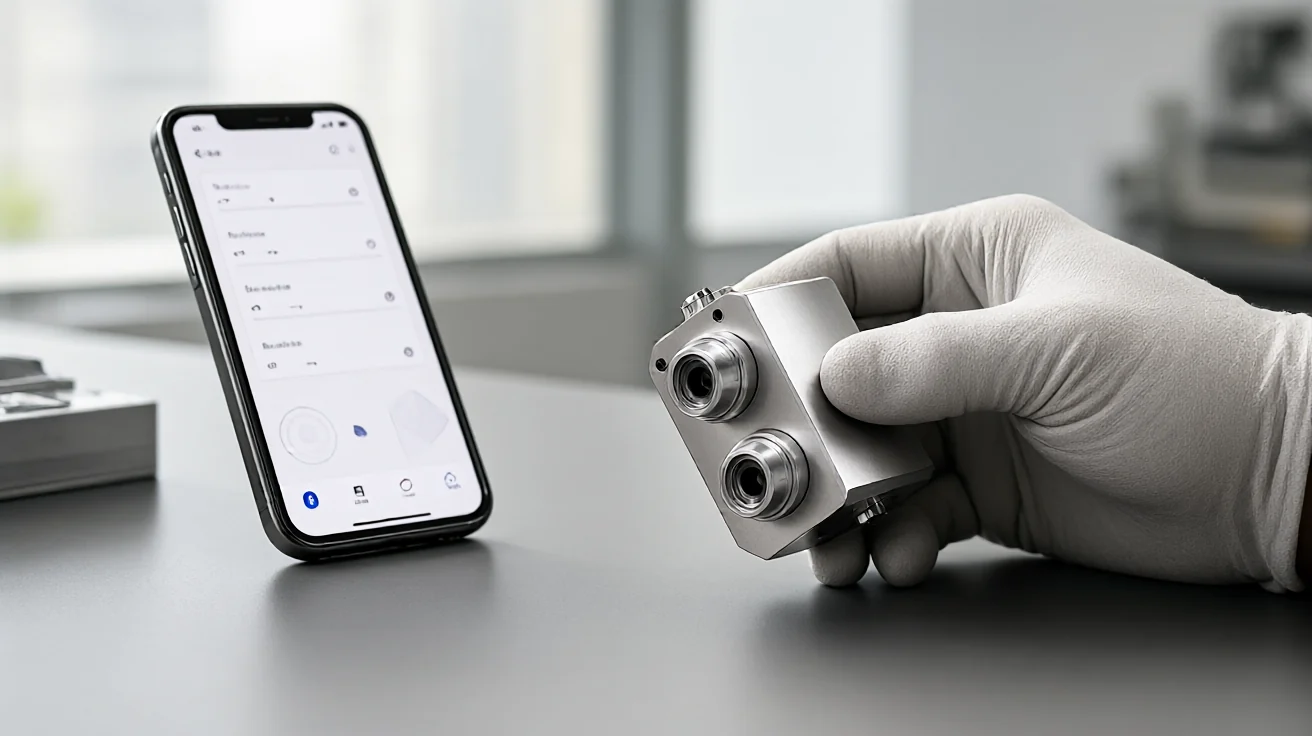
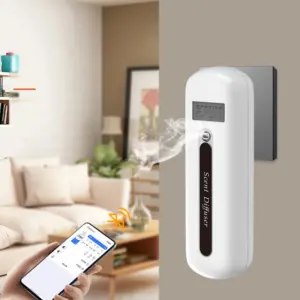
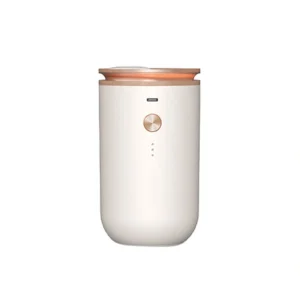
Concept illustration only, not an actual product photo. Images are generalized to protect customer confidentiality.
For a different material and customization path, see another custom diffuser case study.
Three lessons for similar custom projects
- A material upgrade is a product engineering change. Moving from PET to aluminum affects the bottle fit, internal space, usable capacity and MOQ—not just the appearance.
- App-name customization has a defined scope. Its development and release work can change the fee structure, so the boundary between app branding and interface development should be agreed before sampling.
- Itemized costs support faster decisions. A USD 1,305 prototype budget, USD 1,824 tooling charge and approximately USD 33 per machine give the buyer a clearer basis for planning than a single blended price.
Planning a custom dual-nozzle diffuser? We can develop full aluminum bodies, aluminum bottles, silk-screen logos and Bluetooth app control from our China supply chain. Send us your requirements and we will prepare an itemized quotation for your project.
 English
 Spanish