


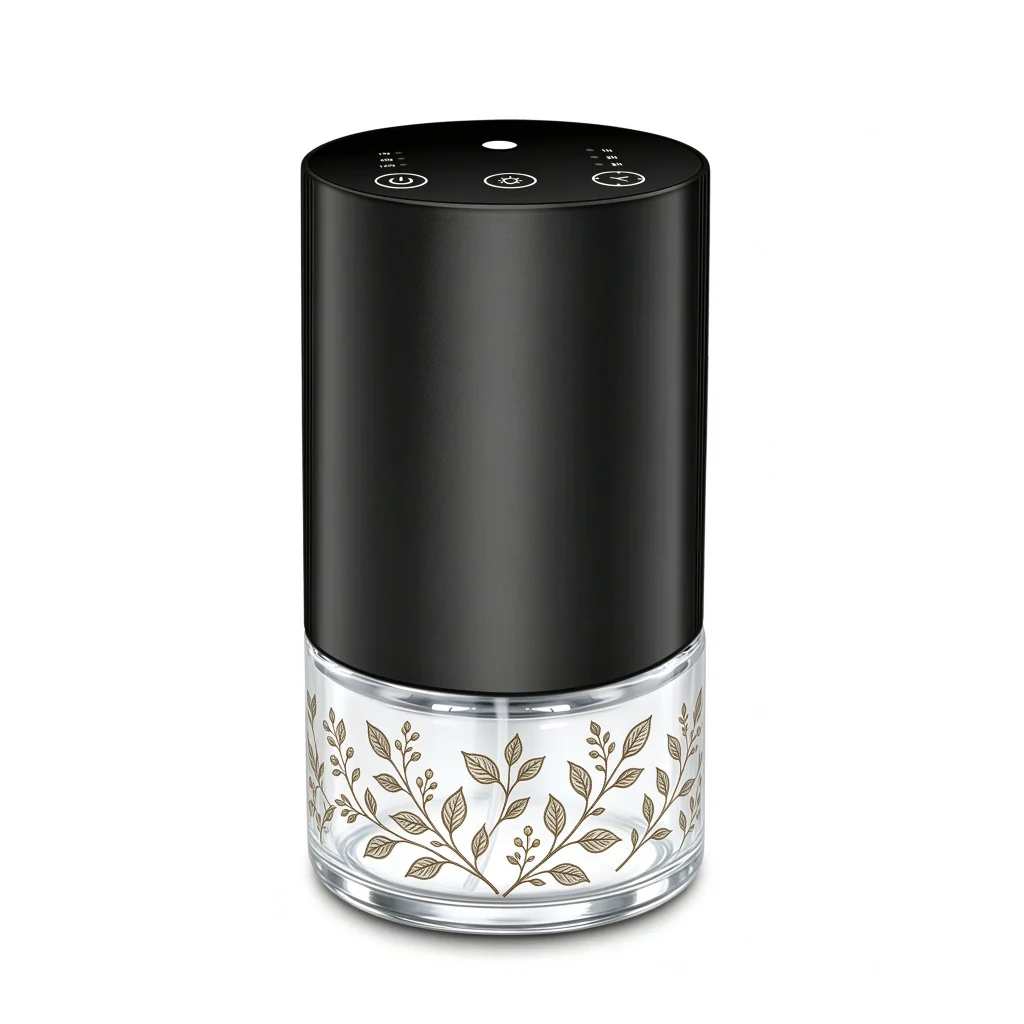
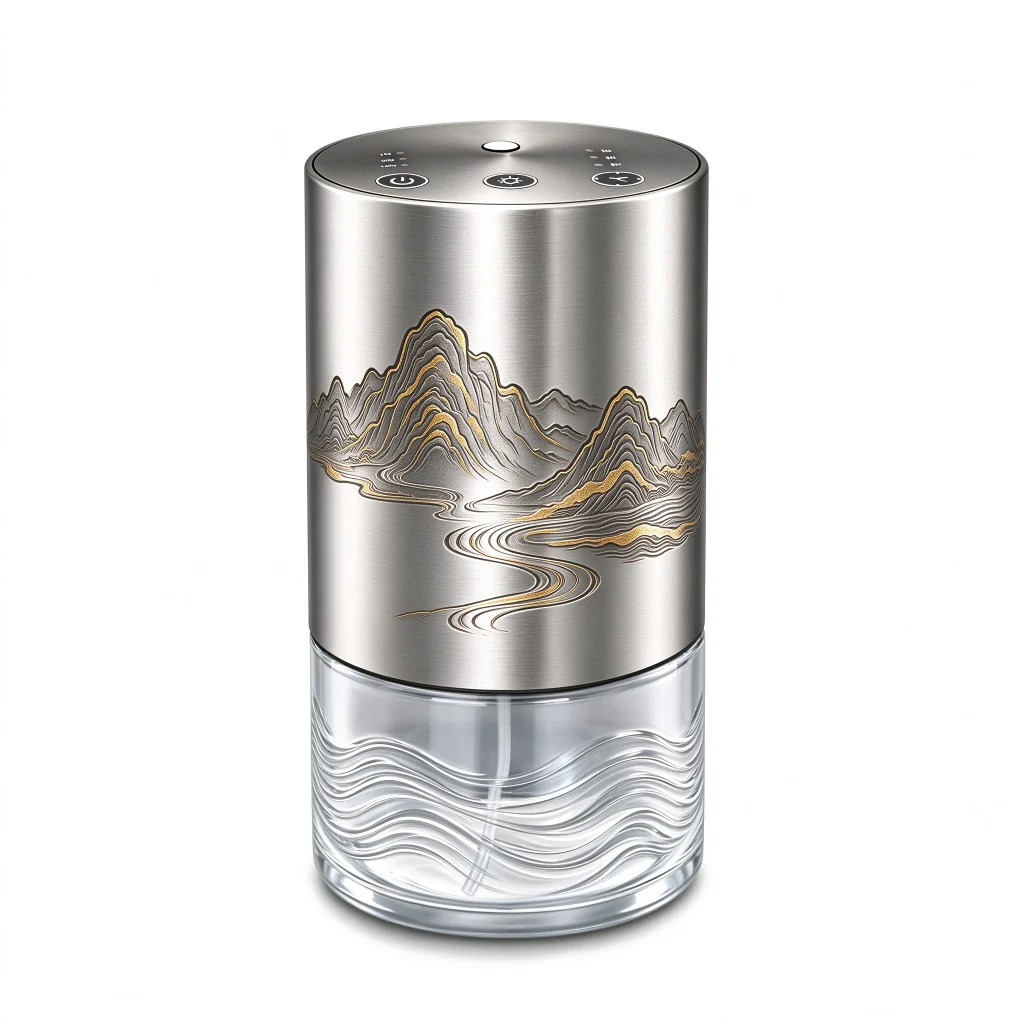
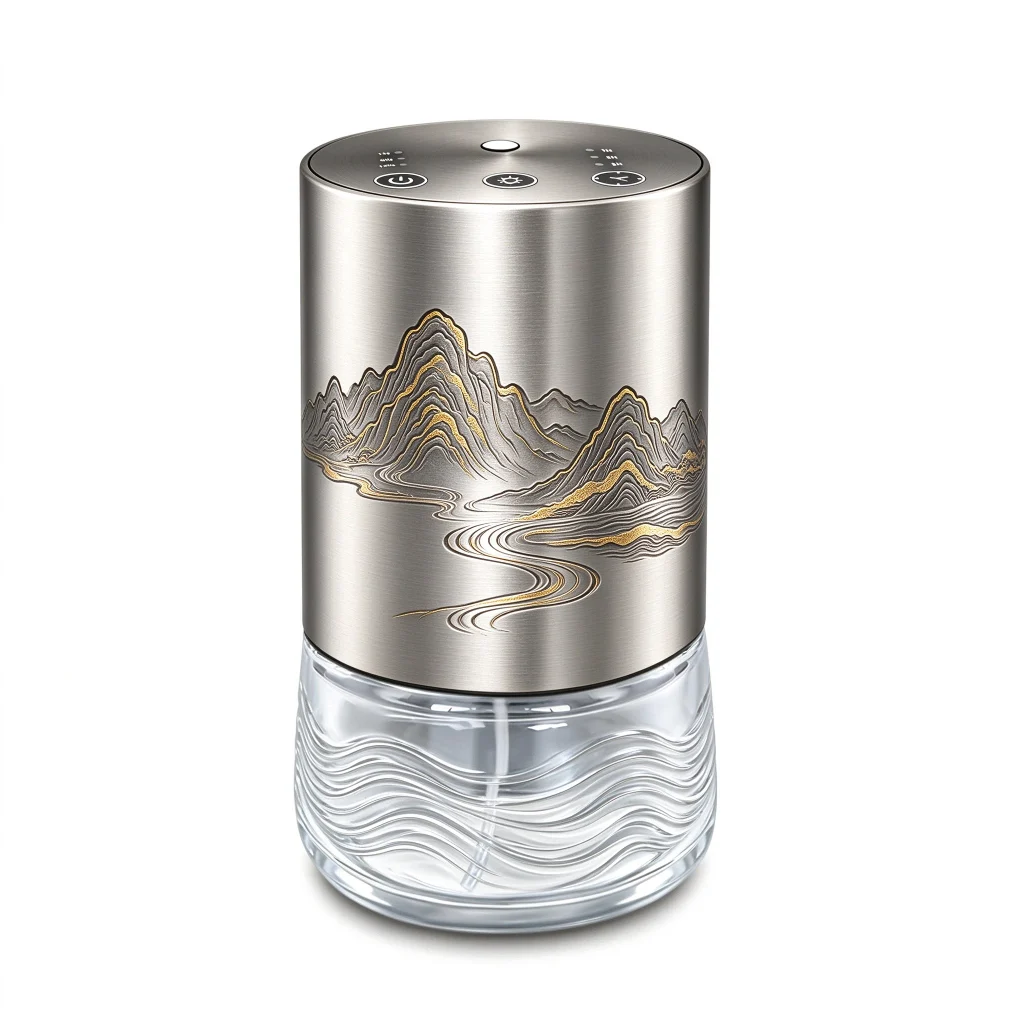
One customization request comes up repeatedly: the buyer wants more than a new color or a printed logo. They want a newly designed glass bottle that gives the product its own identity.
In this case, I started with model 2430, replaced its glass bottle with a more original design, and modeled a 2,000-unit order. Using Airversa as the retail reference, the customized version is priced at $39.99 for the diffuser and $49.99 for the essential-oil bundle.
Here are the results first:
- Product development, purchasing, and quoted delivery to a U.S. Amazon warehouse require $28,130 in known initial cash.
- At $39.99 with advertising at 10% of sales, peak FBA fulfillment, and estimated storage, contribution is about $11.49 per unit. First-batch contribution after development fees is $21,411.44, equivalent to a 76.12% return on the initial cash input.
- At $49.99 with an estimated packed-bundle weight of 510 g, peak FBA fulfillment, and development fees deducted, first-batch contribution is $30,801.20, equivalent to a 92.97% return. Bundle storage is not yet included.
“Contribution” here means the balance after the costs listed in this article. It is not final net profit. Returns, after-sales costs, and several other account-specific expenses remain outside the model.
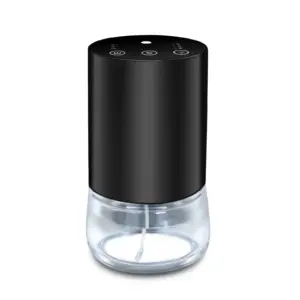
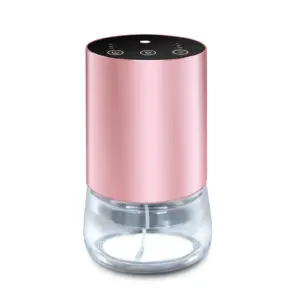
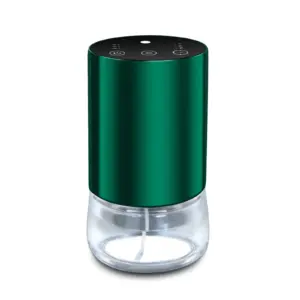
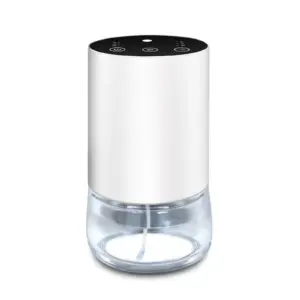
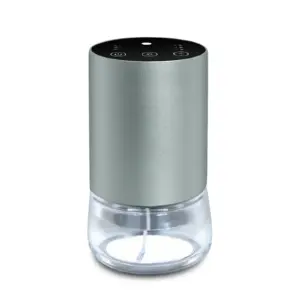
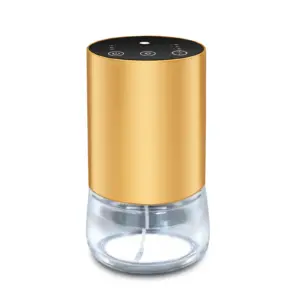
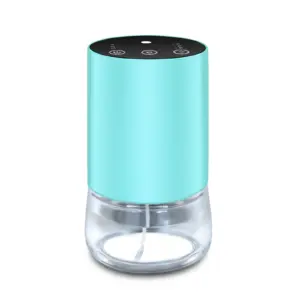
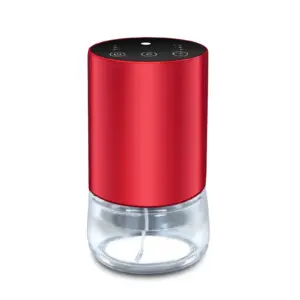
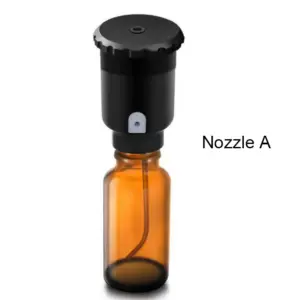
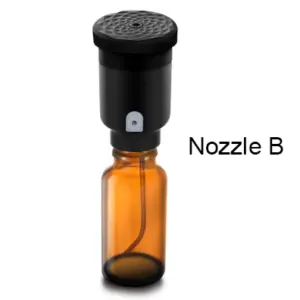
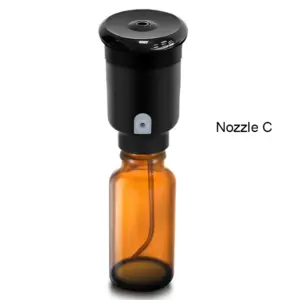
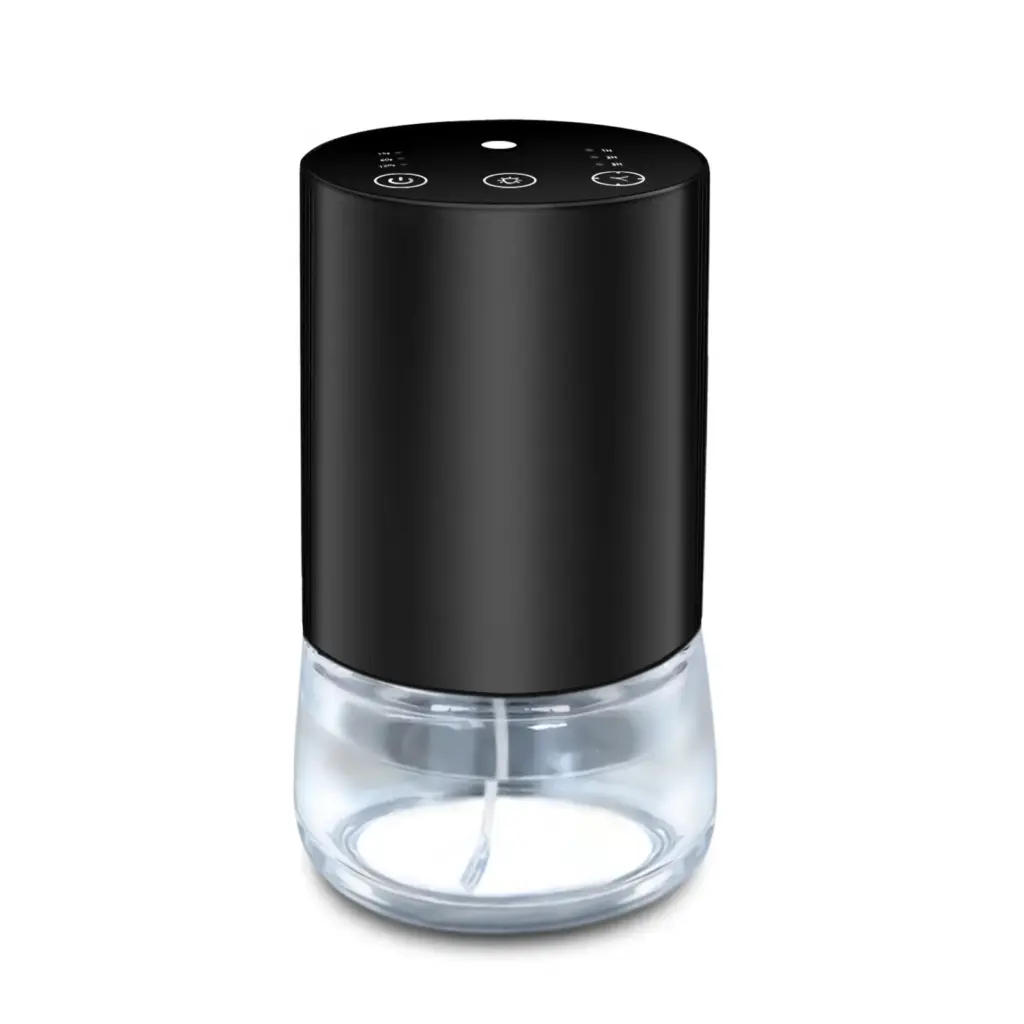
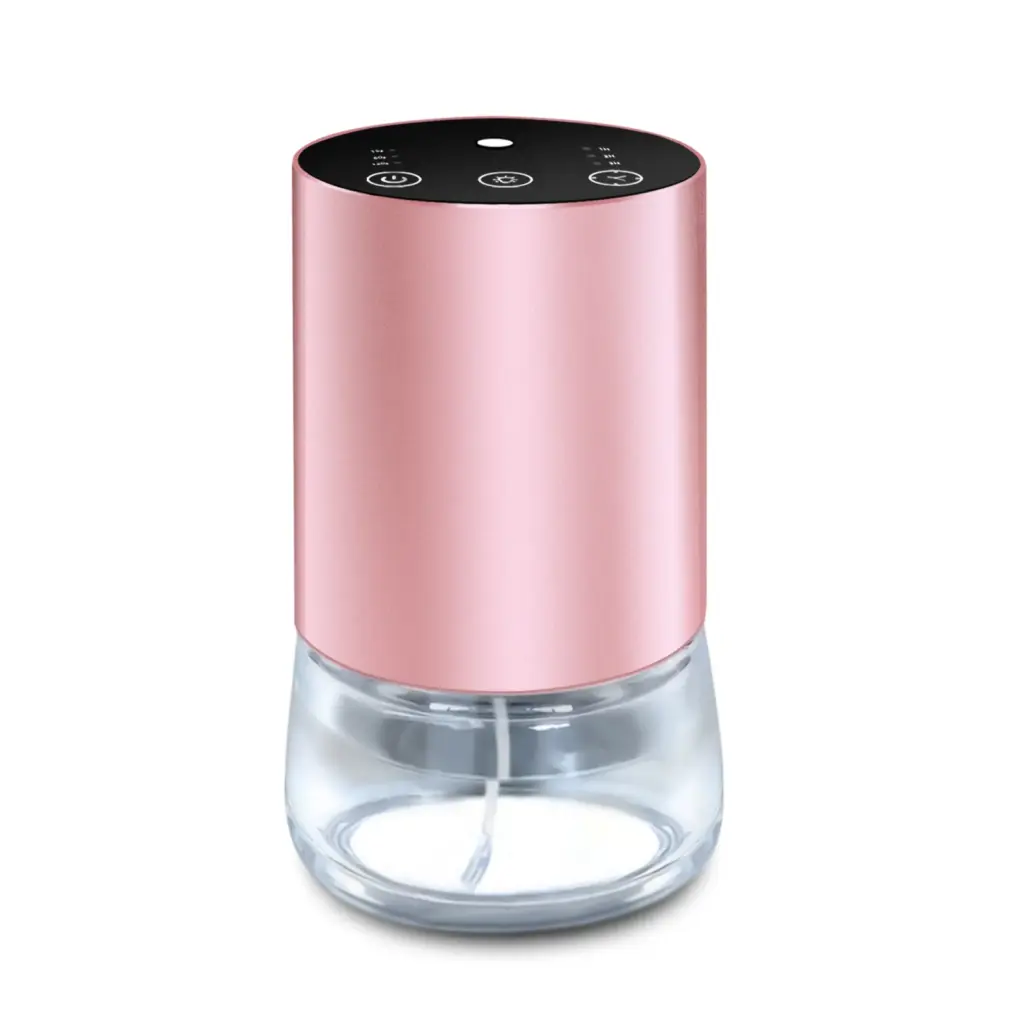
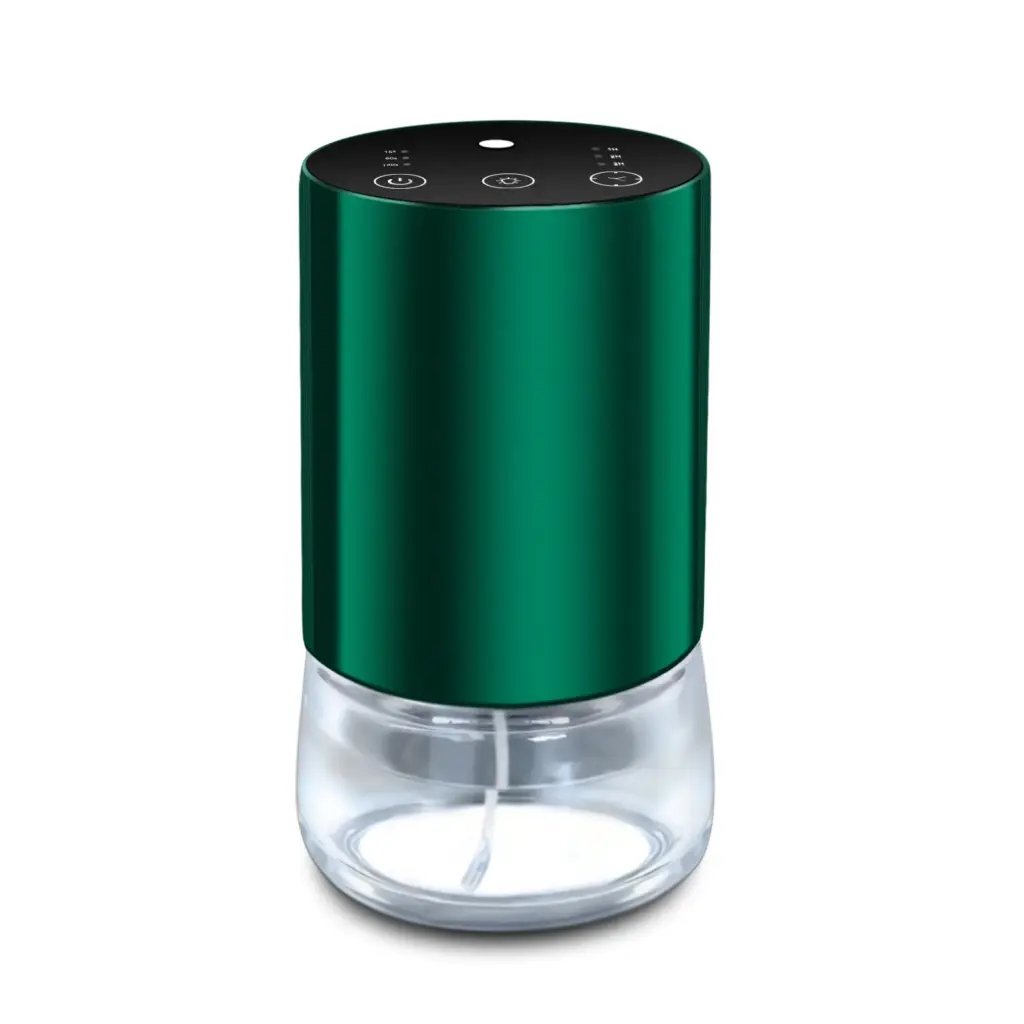
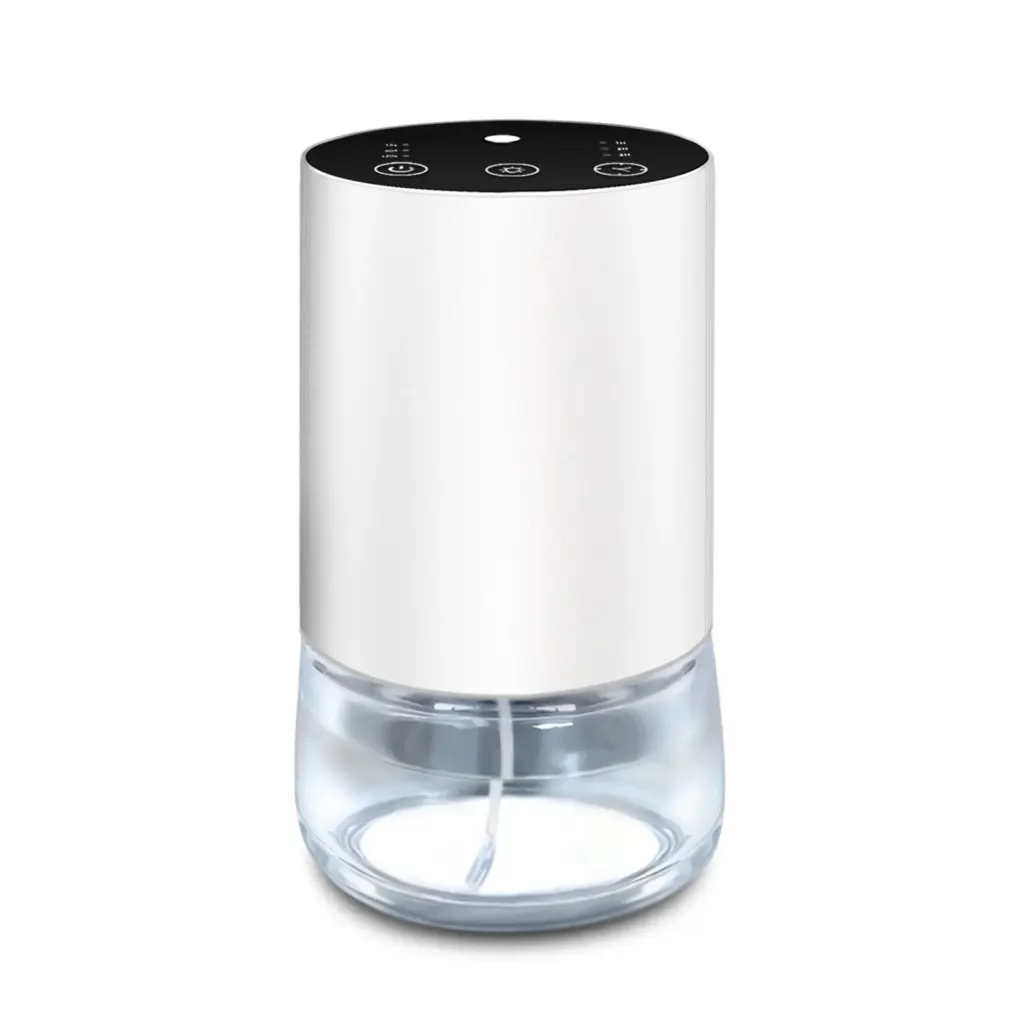
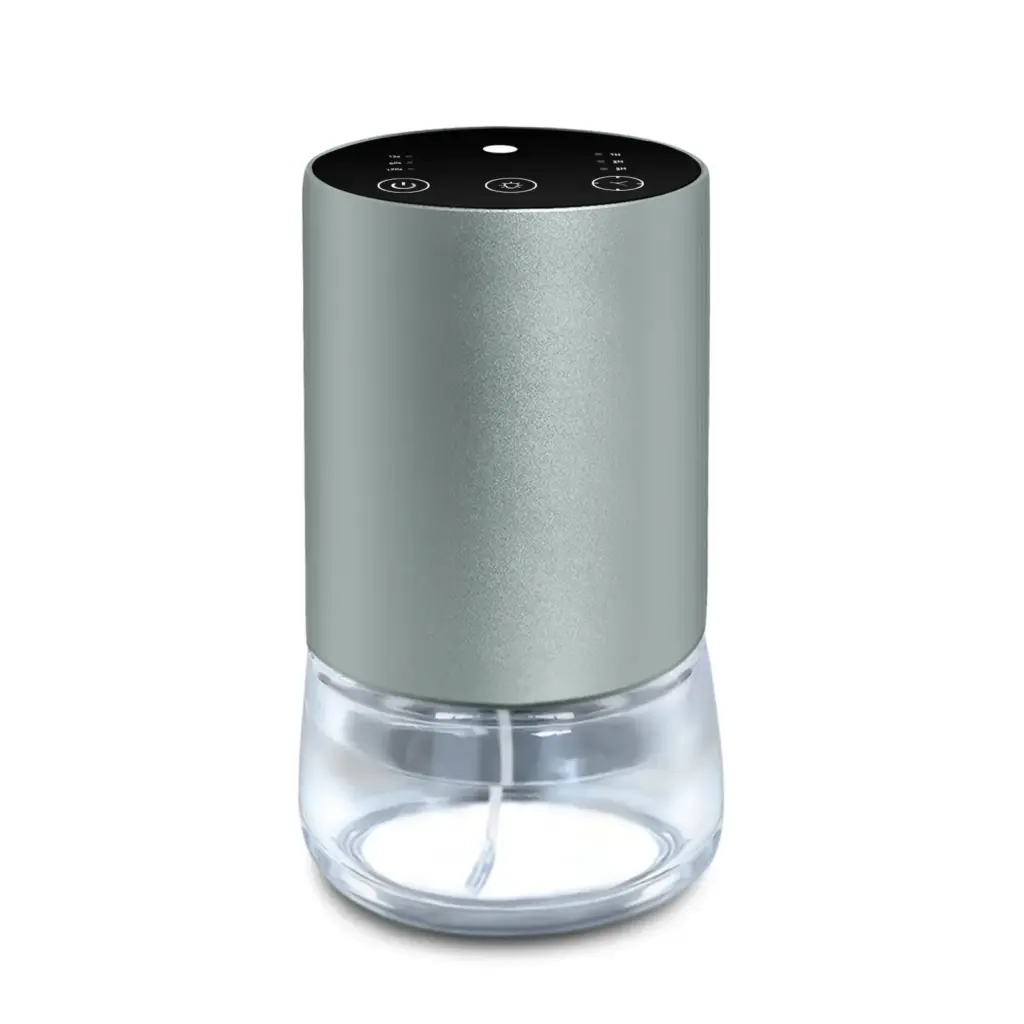
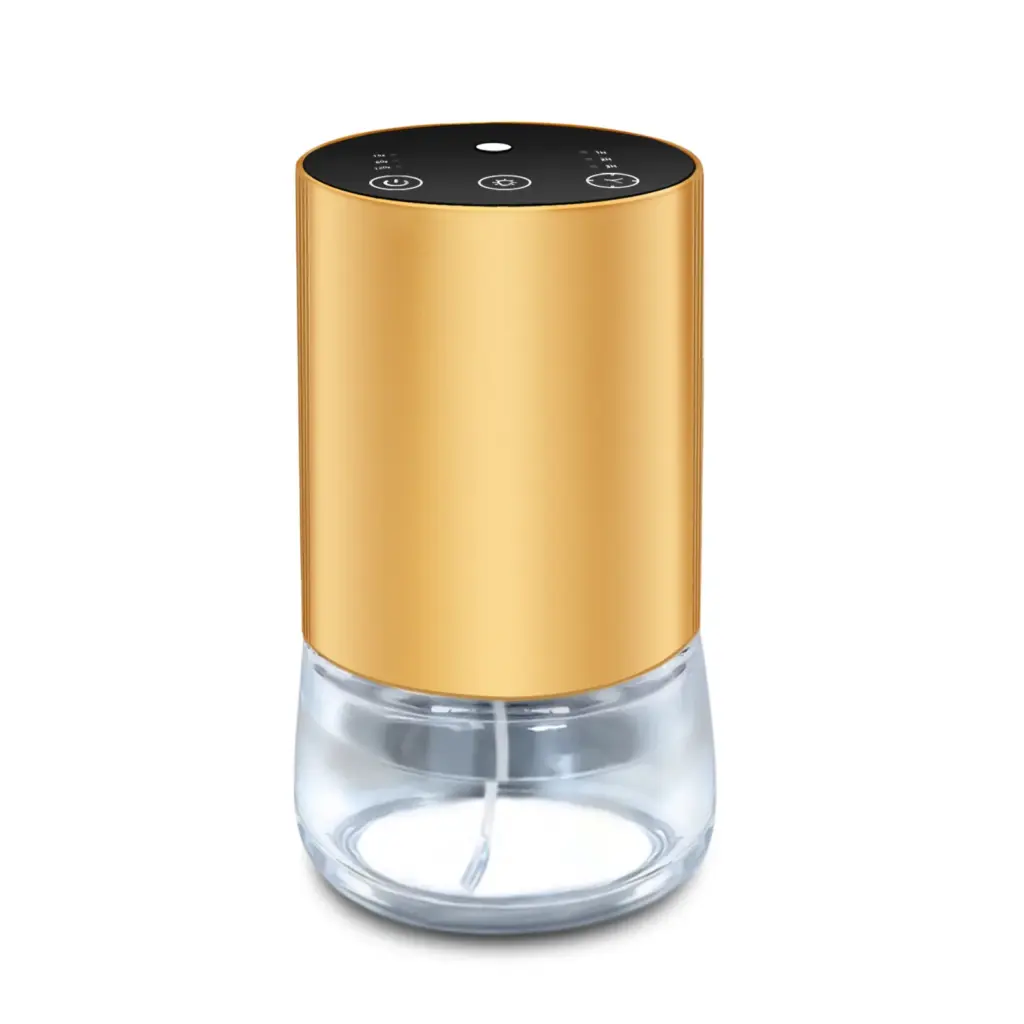
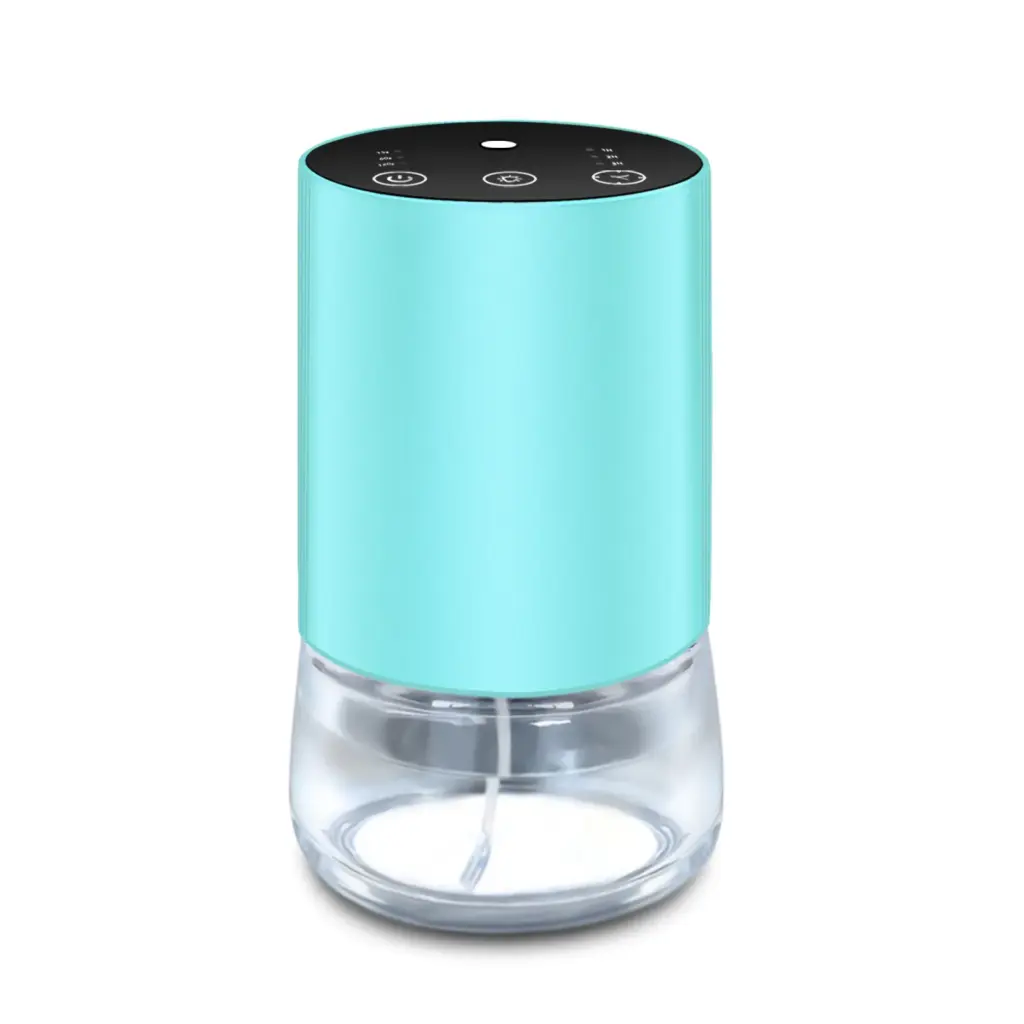
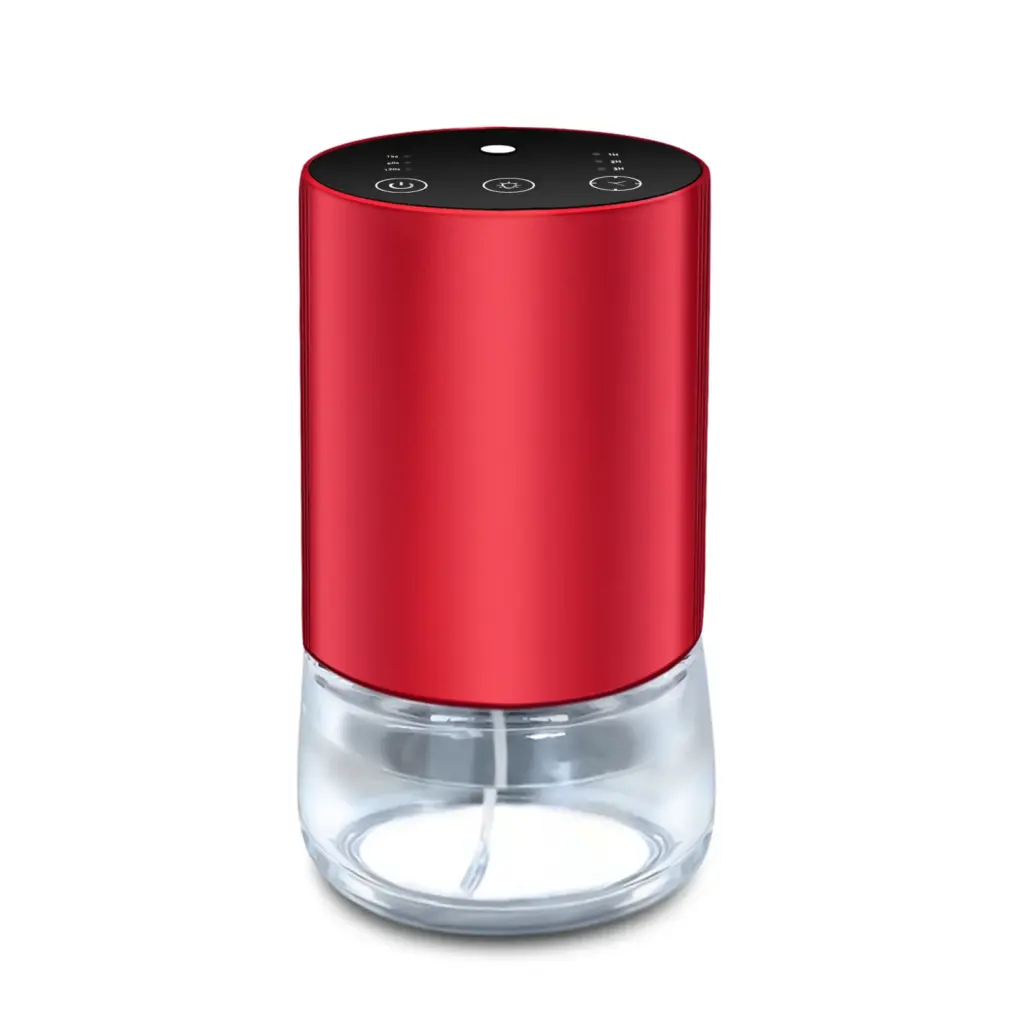
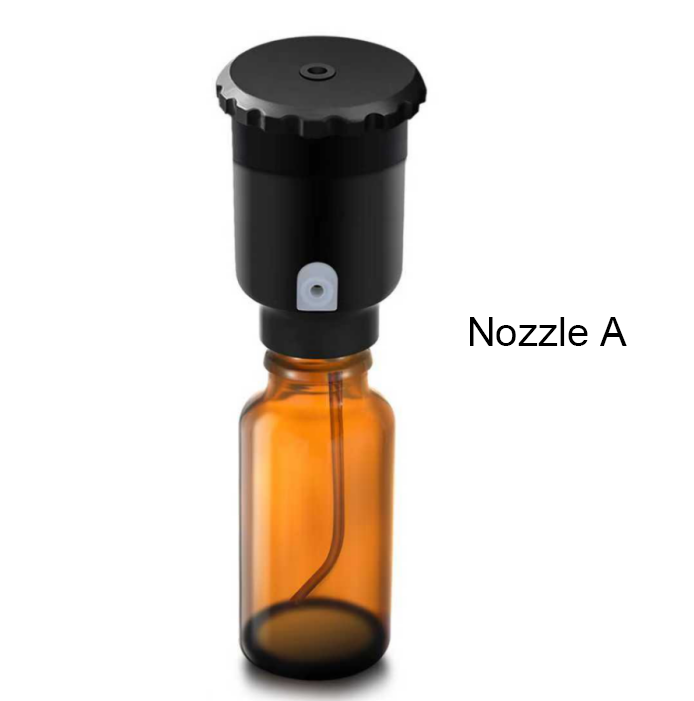
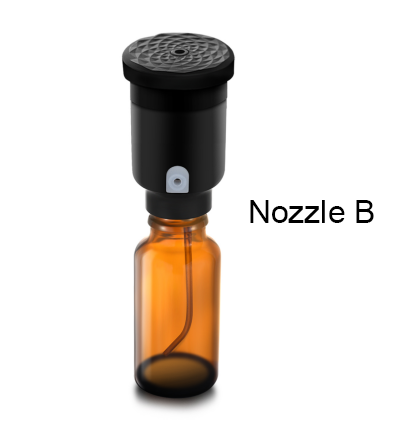
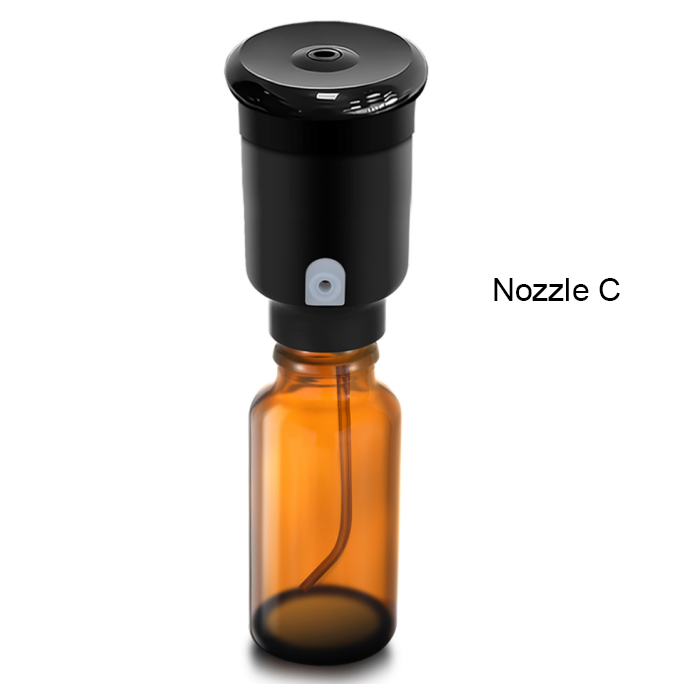
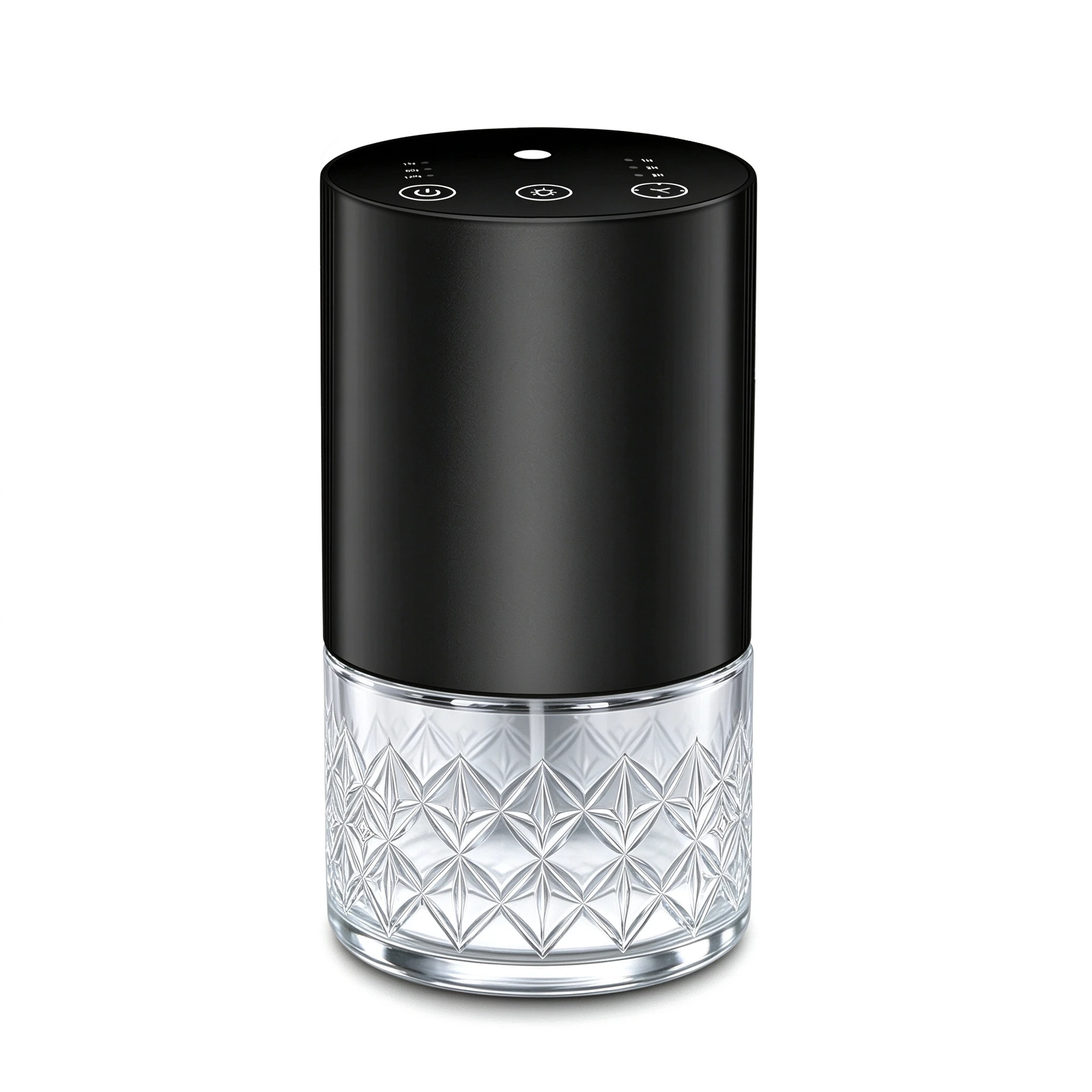
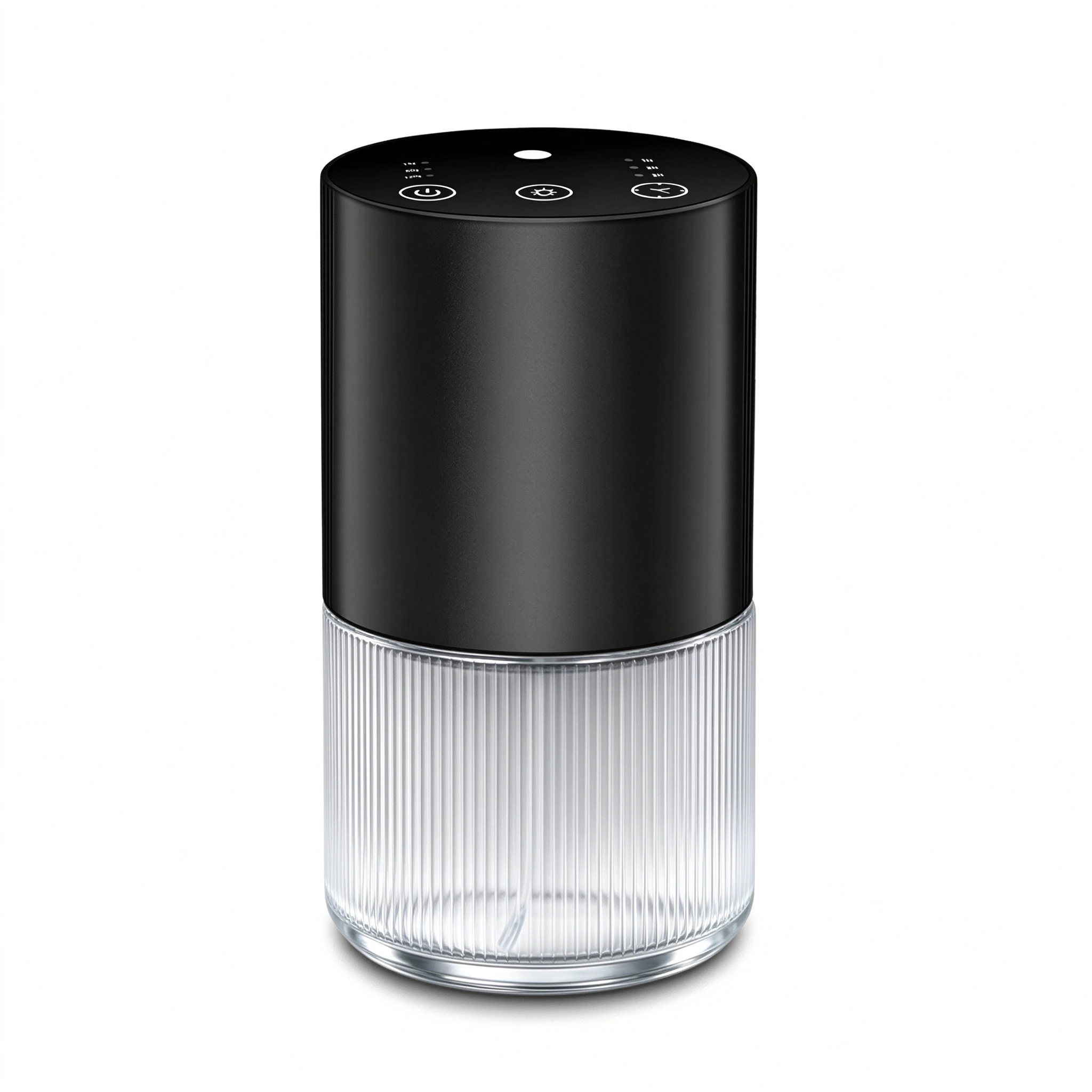
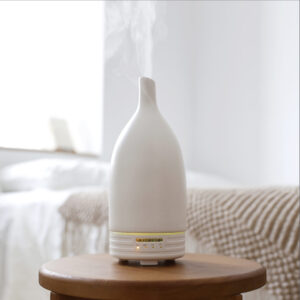
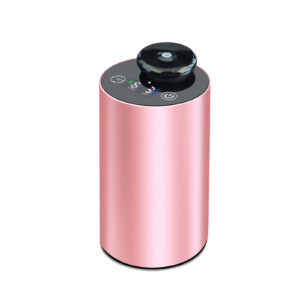
Glass and Aluminium Alloy Waterless Diffuser 2430
Wholesale rechargeable diffusers for essential oils, 2430 waterless diffuser made of premium glass and aluminum alloy. Built-in 2000mAh rechargeable battery, 3 W power, 20 ml / 0.68 fl oz oil bottle (5-20 ml compatible), covers up to 187.5 m³ / 6 621 ft². With 4-level timing function, ultra quiet, ideal for car, home, office and yoga studio. Elegant design, perfect for wholesale, private label and gift selection.
Start With All the Costs in One Table
All figures below are in U.S. dollars. The 2430 EXW price is used only as the machine-cost base, with the customized bottle cost and original-bottle credit applied separately.
| Cost item | Amount or calculation | How it enters the model |
|---|---|---|
| 2,000 model 2430 diffusers | $11.09 each; $22,180 total | Initial payment |
| 2,000 custom glass bottles, MOQ 2,000 | $1.20 each; $2,400 total | Initial payment |
| Original-bottle credit | −$0.22 each; −$440 total | Reduces initial product cost |
| Glass-bottle design | $460, one-time | Initial payment |
| Glass-bottle tooling | $1,100, one-time | Initial payment |
| Duty-paid delivery to a U.S. Amazon warehouse | $2,430 per batch; $1.215 per unit | Initial payment |
| Total initial cash input | $28,130 | Sum of the six items above |
| CIF Los Angeles freight reference | CMA/COSCO/EMC, $350, including customs declaration and LCL charges | Comparison only; not added to warehouse delivery |
| U.S. import duties | 31.7% formal-clearance reference | Reference only; not added again to the dedicated-line quote |
| Amazon referral fee | $5.9985 per unit; $7.4985 per bundle | 15% of selling price, deducted after sale |
| Advertising at 10%/15%/20% of sales | $3.999/$5.9985/$7.998 per unit; $4.999/$7.4985/$9.998 per bundle | Deducted after sale |
| Unit FBA fulfillment | $4.76100 off-peak; $5.06115 peak | Includes 3.5% surcharge |
| Unit base storage | About $0.0522 off-peak; $0.1606 peak | Estimated over a 90-day sell-through |
| Amazon inbound placement service fee | $0.24–$0.50 per unit for one receiving location; potentially $0 with optimized splits | May be charged separately by Amazon; excluded here |
| Complete oil-bundle supplies | $2.50 per bundle | Includes oil, bottles, filling, labels, bundle packaging, and assembly |
| Bundle FBA fulfillment | $5.52690 peak | Estimated 510 g bundle in the 1–1.25 lb tier |
| Bundle storage | Requires final box dimensions and turnover data | Not copied from the unit estimate |
| Low-inventory-level, aged-inventory, and storage-utilization surcharges | Account- and inventory-specific | Not included |
| Returns, after-sales service, promotions, and account fees | Actual account data required | Not included |
| U.S. sales tax | Not deducted again when collected and remitted by the marketplace | Not a nationwide VAT |
The initial cash calculation is:
*$22,180 (machines) + $2,400 (custom bottles) − $440 (original-bottle credit) + $460 (design) + $1,100 (tooling) + $2,430 (duty-paid delivery) = $28,130.*
Design and tooling total $1,560, or $0.78 per unit across 2,000 units. This project requires a glass-bottle mold only. Repeat orders using the same mold do not need to pay this design and tooling fee again.
For how custom development runs from brief to first sample, see our custom aroma diffuser development guide.
Do Not Count Freight and Duty Twice
The $350 CIF reference and the $2,430 duty-paid warehouse quote are not two cumulative charges. The first covers CIF shipment to Los Angeles, including customs declaration and LCL charges. The second is a dedicated-line, door-to-door quote that includes duty and delivery to the Amazon warehouse. This model uses the $2,430 input and does not add the $350 freight reference or a separate self-clearance and local-delivery calculation.
Using China HS code 8509809000 and U.S. HTS 8509.80.50 for this model, the formal-clearance duty reference is:
| Duty component | Modeled rate |
|---|---|
| Ordinary import duty | 4.2% |
| Section 301 China additional duty | 7.5% |
| Fentanyl-related China additional duty | 10% |
| Reciprocal tariff under the current suspension treatment | 10% |
| Total reference rate | 31.7% |
Although the 2430 has an aluminum-alloy housing, this HTS code is not in the relevant current aluminum-derivative list. No additional 50% Section 232 duty is included in this case.
For comparison only, a 31.7% calculation on the $12.07 machine-plus-net-bottle cost would be approximately $7,652.38 for 2,000 units. The actual logistics input, however, is the $2,430 dedicated-line, door-to-door, duty-paid quote, not importer-managed customs clearance followed by separately arranged local delivery. The 31.7% rate therefore explains the formal-duty structure without being added again or used to break down the dedicated-line quote.
Final classification and rates depend on the entry date and customs-broker review. The current higher reciprocal-tariff suspension runs through November 10, 2026, so later entries require a fresh check.
What Remains From a $39.99 Unit Sale?
Start with product cost, warehouse delivery, referral fees, and advertising. At advertising equal to 10% of sales:
- Machine plus custom bottle, less the original-bottle credit: $11.09 + $1.20 − $0.22 = $12.07.
- Duty-paid warehouse delivery: $1.215.
- Amazon referral fee: $39.99 × 15% = $5.9985.
- Advertising: $39.99 × 10% = $3.999.
After these four deductions, the balance is $16.7075 per unit, before FBA fulfillment and storage.
FBA Fulfillment: Use the Packed-Unit Weight Tier
The retail box measures 95 × 95 × 140 mm / 3.74 × 3.74 × 5.51 in and weighs 410 g / 0.90 lb. It falls into the large standard-size, 12–16 oz tier.
The peak base fulfillment fee is $4.89. After the 3.5% surcharge, it becomes $5.06115 per unit. The off-peak equivalent is $4.76100.
Storage: Use a Simple 90-Day Example
Assume the first 2,000 units arrive at Amazon and sell evenly over approximately 90 days. Daily sales average about 22 units, while inventory gradually falls from 2,000 to zero. Average inventory over the period is therefore about 1,000 units.
Each retail box occupies approximately 0.0446201 ft³ / 1.2635 L. If all three months are conservatively budgeted at the peak rate of $2.40 per ft³ per month, total storage is about $321.26, or $0.1606 per unit. The equivalent off-peak estimate is about $0.0522 per unit.
Actual storage charges follow daily inventory. With steady sales, charges are higher while inventory is full and decline as stock sells through; they are not identical every month.
Unit Results After Fulfillment and Estimated Storage
This table uses peak fulfillment and the peak-storage estimate throughout:
| Advertising as % of sales | Advertising per unit | Contribution per unit | First-batch contribution after development fees |
|---|---|---|---|
| 10% | $4.00 | $11.49 | $21,411.44 |
| 15% | $6.00 | $9.49 | $17,412.44 |
| 20% | $8.00 | $7.49 | $13,413.44 |
With off-peak fulfillment and storage at 10% advertising, contribution is about $11.89 per unit, and first-batch contribution after development fees is about $22,228.59.
Amazon’s inbound placement service fee is a separate platform charge that may arise when inventory enters FBA. It is approximately $0.24–$0.50 per unit for a single receiving location, and can be $0 when the shipment qualifies for Amazon-optimized splits. It is not a condition of the earlier cross-border dedicated-line quote and is not included in these contribution figures.
Calculate the $49.99 Oil Bundle Separately
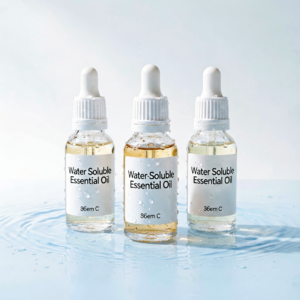
The bundle contains one customized 2430 and two 30 ml / 1.01 fl oz essential-oil bottles. The complete supply cost is $2.50 per bundle, including the oil, oil bottles, filling, labels, bundle packaging, and assembly. For oil supply options behind the bundle, see our essential oil wholesale page.
At advertising equal to 10% of sales:
*$49.99 − $12.07 (customized machine) − $1.215 (delivery) − $2.50 (oil supplies) − $7.4985 (referral fee) − $4.999 (advertising) = $21.7075.*
That $21.7075 is before bundle fulfillment and storage. Packed weight is estimated by adding 100 g to the machine package:
*410 g (machine package) + 100 g (additional bundle weight) = 510 g, approximately 1.124 lb.*
The bundle therefore uses the 1–1.25 lb tier. The peak base fee is $5.34, or $5.52690 after the 3.5% surcharge. Deducting that fee gives:
- Contribution per bundle: $21.7075 − $5.52690 = $16.1806.
- First-batch contribution after development fees: $16.1806 × 2,000 − $1,560 = $30,801.20.
Bundle storage is not included. It requires final box dimensions and actual turnover data. Oil-import, transport, duty, and compliance costs also cannot simply be assumed to match the machine-only quote.
Now Calculate First-Batch ROI
The formula used throughout is:
*First-batch return = first-batch contribution after development fees ÷ corresponding initial cash input × 100%.*
| Offer and cost scenario | Initial cash input | Contribution after development fees | First-batch return |
|---|---|---|---|
| Unit, peak fulfillment and storage, 10% advertising | $28,130 | $21,411.44 | 76.12% |
| Unit, peak fulfillment and storage, 15% advertising | $28,130 | $17,412.44 | 61.90% |
| Unit, peak fulfillment and storage, 20% advertising | $28,130 | $13,413.44 | 47.68% |
| Unit, off-peak fulfillment and storage, 10% advertising | $28,130 | $22,228.59 | 79.02% |
| Bundle, peak fulfillment, 10% advertising, before bundle storage | $33,130 | $30,801.20 | 92.97% |
For example, the peak unit scenario at 10% advertising is $21,411.44 ÷ $28,130 × 100% ≈ 76.12%. Initial bundle cash is $28,130 + 2,000 × $2.50 = $33,130, so its return is $30,801.20 ÷ $33,130 × 100% ≈ 92.97%.
These figures compare contribution with the initial cash used in each scenario. They are not annualized returns or final net-profit margins. Repeat orders do not require another $1,560 for this design and tooling, but they still require fresh product, net bottle, and logistics payments.
Which Costs Are Still Missing?
The contribution results should not be treated as final net profit because several inputs remain account- or product-specific:
- Amazon measurement and classification. The bundle is currently estimated at 510 g, but Amazon’s measurement of the final ASIN controls. Battery- and oil-related dangerous-goods classification also requires an ASIN-level review.
- Inbound and storage surcharges. Whether inbound placement, low-inventory-level, aged-inventory, or storage-utilization charges apply depends on the actual shipment plan and account statement.
- Returns and after-sales service. Return rates, breakage, replacements, refunds, and promotions need real sales data.
- Bundle storage. Weight is estimated at 510 g, but final box dimensions and turnover are still needed for a storage calculation.
- U.S. sales tax. Where the marketplace collects and remits it, the tax is not treated as seller product revenue or mechanically deducted from the selling price again. Obligations depend on channel and jurisdiction.
Export packing is 30 units per carton, with each carton measuring 50 × 31 × 32 cm. The 2,000-unit shipment uses 67 cartons, approximately 3.3232 m³ / 117.36 ft³, with gross weight of 1,139 kg / 2,511.06 lb. For 200 units, the same carton specification gives 200 ÷ 30 × 0.0496 = 0.3307 m³. Seven full cartons would occupy 0.3472 m³. These are carton-based calculations, not another freight quote.
Before development begins, the 100 ml / 3.38 fl oz bottle still needs fit, sealing, assembly, stability, and leak testing with the machine.
Conclusion: Lead With the Bundle, but Do Not Compete With Airversa on Price Alone
Based on this model, I would prioritize the $49.99 essential-oil bundle. Its modeled first-batch return is about 92.97%, compared with 76.12% for the peak unit scenario at 10% advertising. The reason is not simply that two bottles of oil were added. The bundle raises order value and gives the customer a more complete reason to buy.
The harder question is: why should a customer choose this offer instead of buying directly from Airversa?
If the appearance, scent experience, and use case are nearly identical, a custom bottle alone can still leave the product stuck in price and advertising competition. A stronger approach is to create meaningful differentiation:
- Use a quieter pump to target the bedroom. One development direction is to investigate reducing noise from 36 dB to 25 dB, positioning the product around bedroom and nighttime use rather than as just another aroma diffuser. The reduction needs prototype testing under consistent conditions before it can support a marketing claim.
- Make the original design visible at a glance. Bottle contours, overall proportions, lighting, and surface finishes can be designed around bedroom interiors so the product looks different before the customer reads a specification sheet.
- Build the bundle around one complete use case. The machine, oils, and packaging should tell the same nighttime-use story rather than simply bundling two oil bottles. Once that positioning is established, test customer acceptance of a $50–$60 price range instead of raising the price first and searching for a reason later.
Differentiation is not free. A quieter pump can add component and testing costs. Original styling can add design, tooling, sampling, and packaging costs. Design and tooling in particular may account for much of the additional development investment. These expenses raise the initial cash requirement and reduce first-batch return at the same sales volume.
The current $49.99 price, $2.50 bundle-supply cost, and 92.97% return therefore remain the baseline for the existing configuration. If the pump or exterior changes, obtain the new quotations and test results first, then recalculate the $50–$60 version’s investment, fulfillment tier, advertising room, and return. Use differentiation to support the price, then use the cost model to validate it—not the other way around.
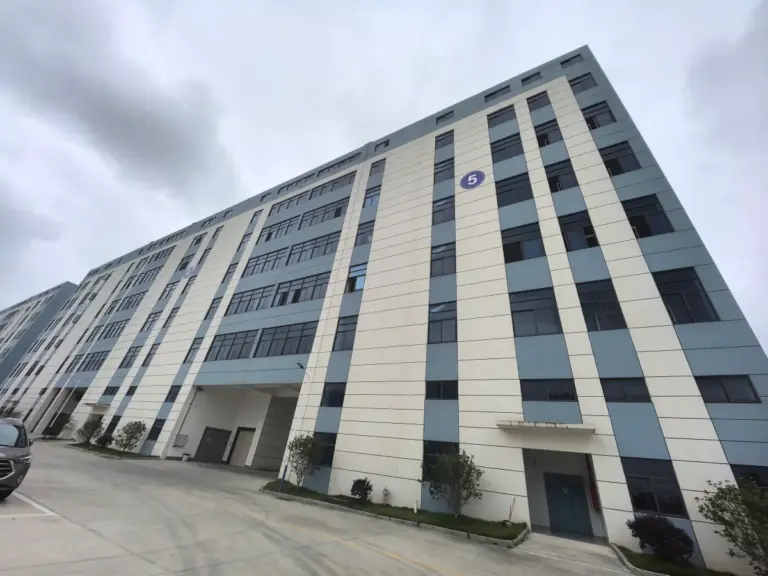
Wholesale direct from our China factory: for a custom 2430 bottle assessment, provide the target bottle drawing, quantity, retail-package dimensions, destination warehouse, and oil-bundle requirements. We can then align factory inputs with freight, duty, and Amazon costs.
FAQ
Does a custom glass bottle require a new mold for the complete diffuser?
No. This project has confirmed tooling for the glass bottle only. The complete-diffuser mold is not being redeveloped.
What is the difference between ACOS and the advertising rates used here?
ACOS divides ad spend by advertising-attributed sales. The 10%, 15%, and 20% scenarios divide total advertising by total sales, which is closer to TACOS. The two measures should not be interchanged.
Do repeat orders require another design and tooling payment?
No. This project requires a glass-bottle mold only. Repeat orders using the same mold do not repeat the $460 design fee or $1,100 tooling fee.
Principal fee sources: Amazon selling fees, 2026 FBA fulfillment fees, FBA monthly storage fees, USITC HTS, USTR Section 301 List 4A, and California marketplace-facilitator guidance.
Cost model dated November 1, 2026. Product prices, freight, marketplace fees, and tariffs can change. Customs classification and duty liability should be confirmed by the importer of record or a licensed customs broker before shipment.

 English
 Spanish