


Case type: OEM / ODM ceramic reed diffuser development
Client profile: independent home-fragrance startup founder, Europe
Project window: deposit paid to finished samples shipped – 20 July to 26 August 2026 (37 days; 44 days counting from the first inquiry on 13 July)
What was made: two hand-sculpted ceramic reed diffuser models, engraved logo, custom glaze color, 250 ml / 8.45 fl oz oil, natural reed sticks
1. The Problem: You Have a Design Idea, But No Factory Can Carry It
Most people who want to launch a home fragrance brand start the same way. First, they save photos on their phone. Then they find a shape they love. Finally, they hit a wall.
Here is what that wall looked like, in the founder’s own words at the start of this project:
“I don’t want to copy the product shown in the pictures. Those images are only for inspiration… I want it to be a true design object that people will proudly display in their homes.”
Four problems hiding in one sentence
That one sentence contains four hard sourcing problems at once:
| The founder’s need | Why most suppliers say no |
|---|---|
| A new shape, not a catalog copy | Most factories prefer certainty. Hand them a finished drawing and they will build to it. Turning a concept into a product means heavy back-and-forth and repeated validation, and that is a cost most suppliers will not carry |
| Sculpture quality, not just a container | Needs a hand sculptor and a kiln, not an injection mold |
| Small first run (500-1,000 pcs) | Ceramic mold and kiln setup cost spreads over too few units |
| One finished, sellable prototype first | Most factories quote mass production only |
What this case study covers
So if you are searching for a custom ceramic reed diffuser manufacturer, a private label reed diffuser supplier, or an OEM ceramic diffuser with engraved logo, this is probably your situation too. In other words, you do not need a price list. Instead, you need a partner who will do the messy development part with you.
Below, we walk through how that development actually ran, including the three rounds of firing it took to land the internal capacity where the brand needed it.
Related reading: ceramic diffuser category | custom ceramic and stone diffuser service
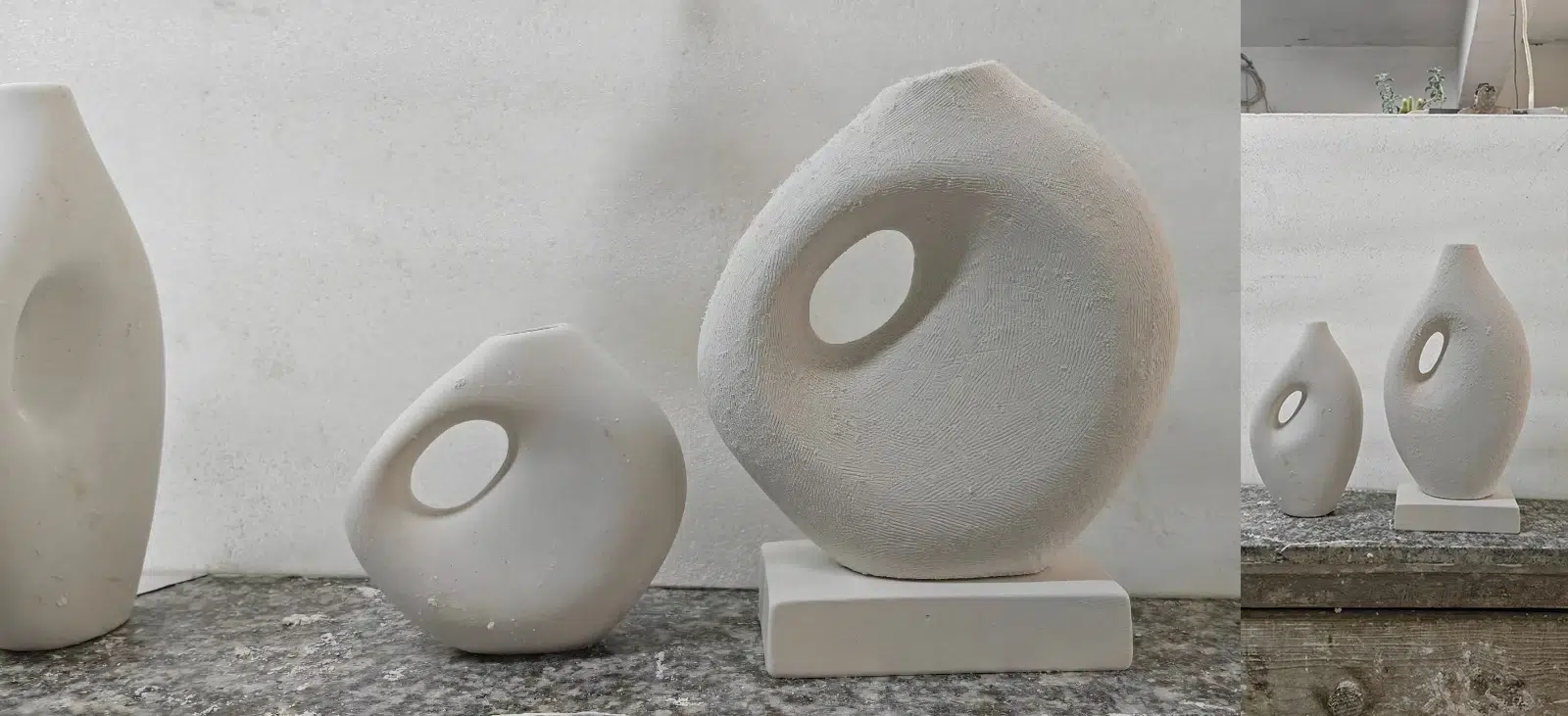
2. What WD Aroma Actually Did on This Project (And Who This Fits)
We are a Shenzhen-based diffuser factory and ODM partner. For years we have made ceramic housings for electric diffusers, and our strengths in that work are matte frosted glaze finishes and stone-look shells pressed from stone powder. However, this was our first reed diffuser. We said so on day one, in writing, before taking any money. Above all, that honesty is part of why the project worked.
The five real jobs we handled
| Job | What it looked like in practice |
| Design screening | Took the founder’s inspiration photos and filtered them for what can truly be mass produced in ceramic |
| Prototype routing | Chose direct hand carving and mold making over 3D printing, because the target shape modified one we had already produced |
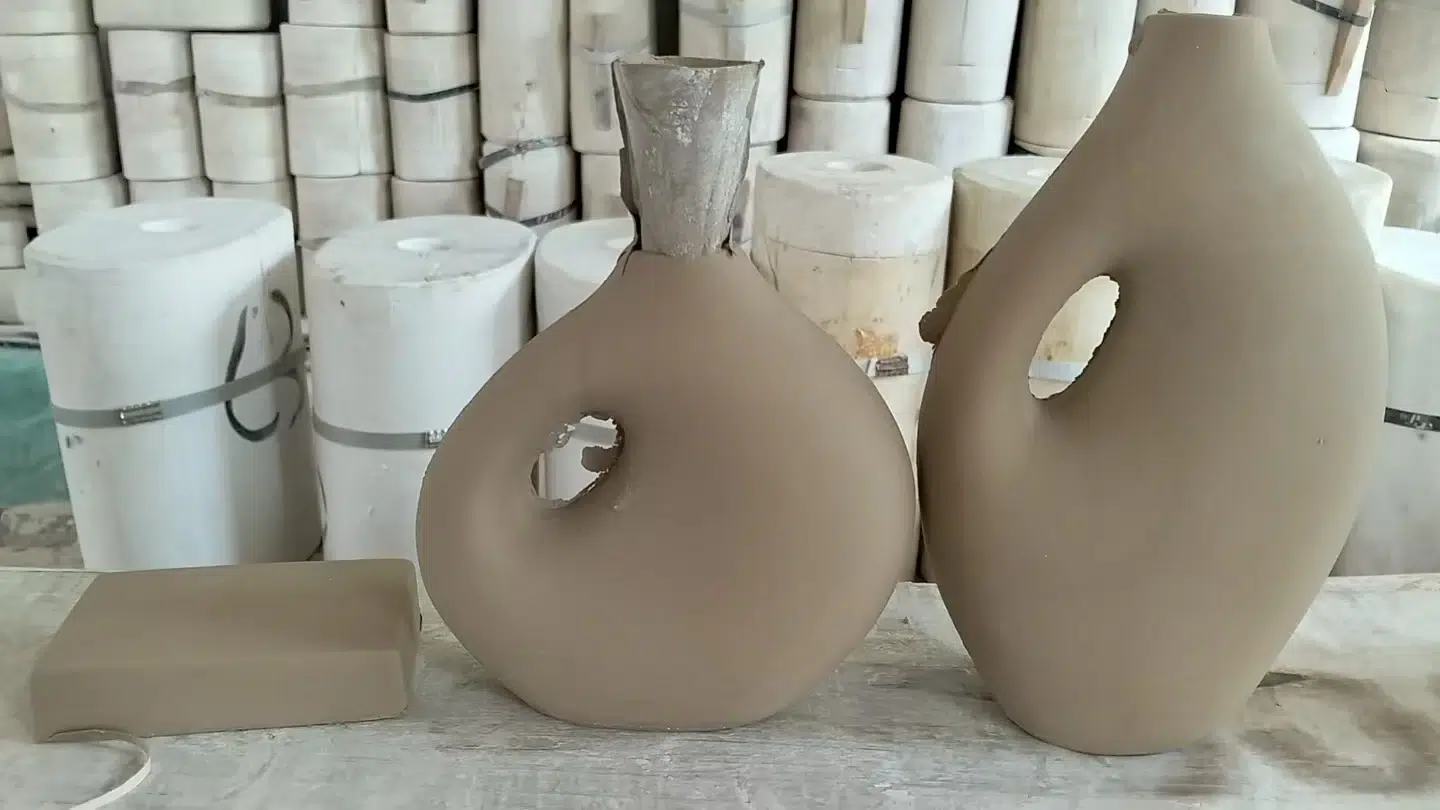
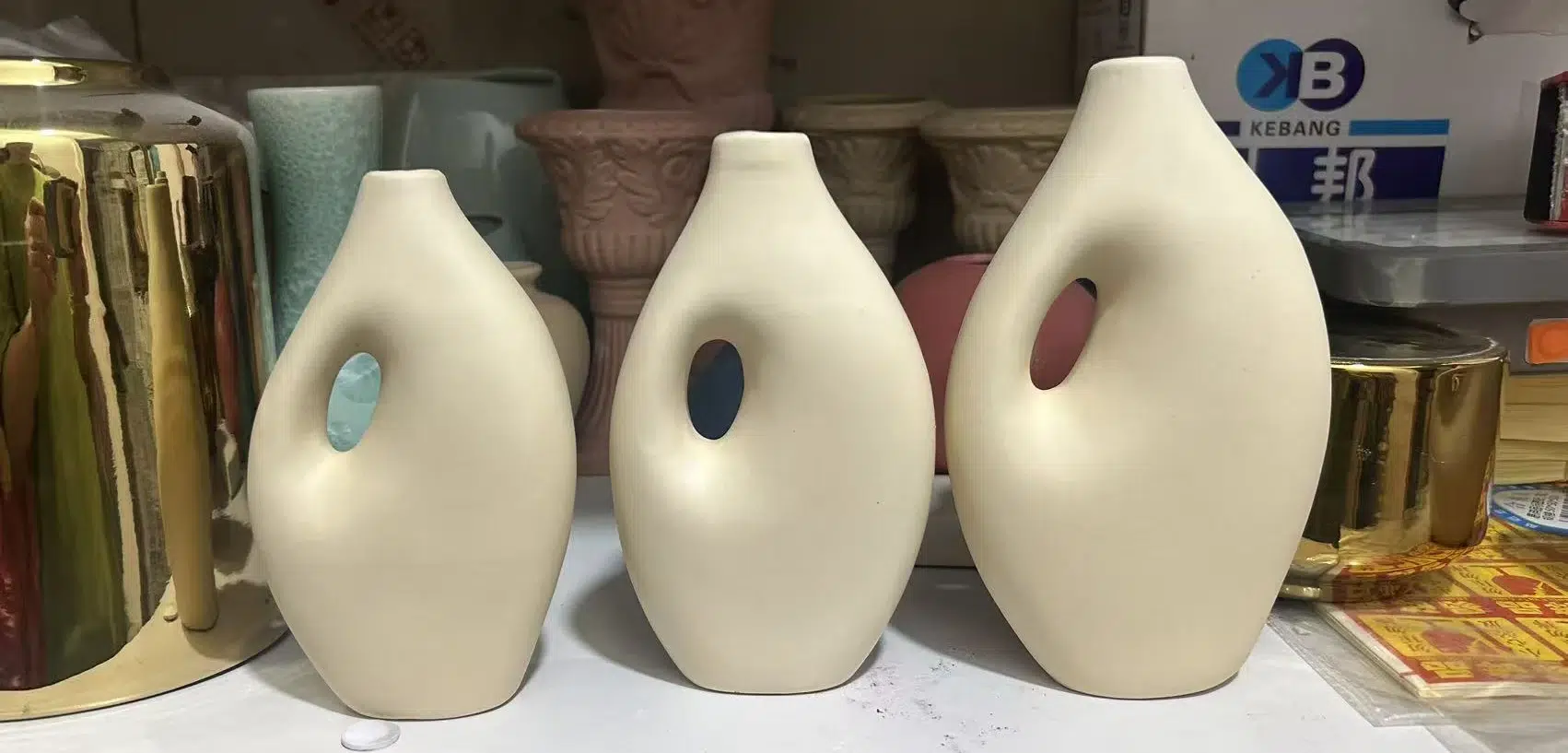
| Hand sculpting + molding | A sculptor carved the shape, the mold shop cut the mold, then re-cut it twice to bring internal capacity onto target |
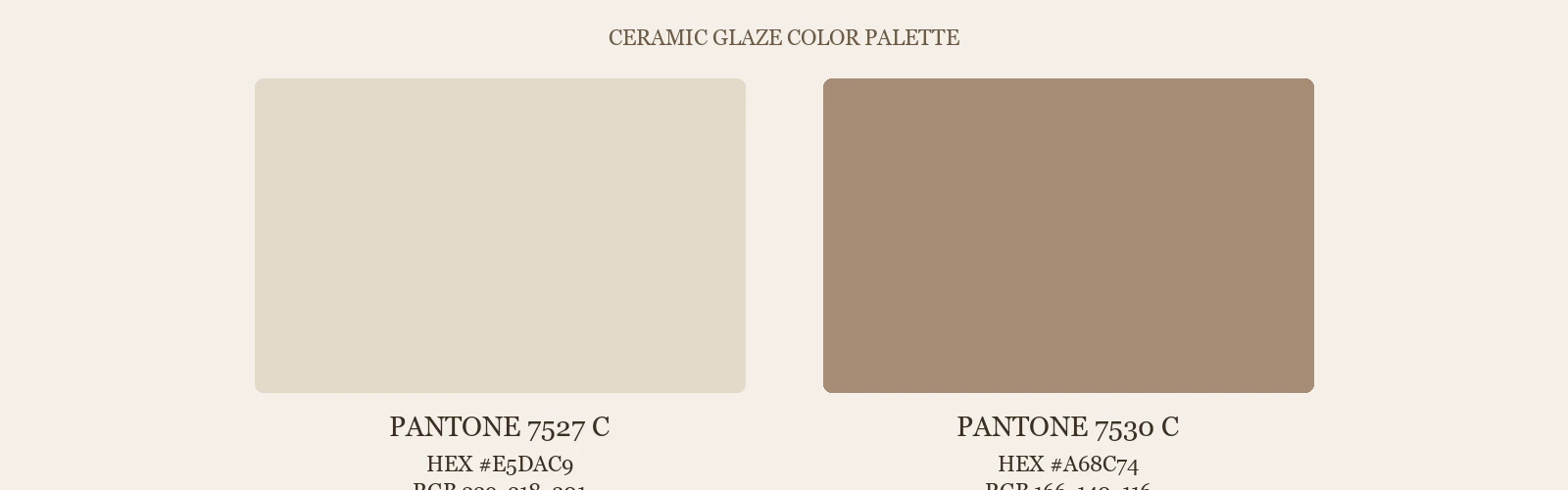
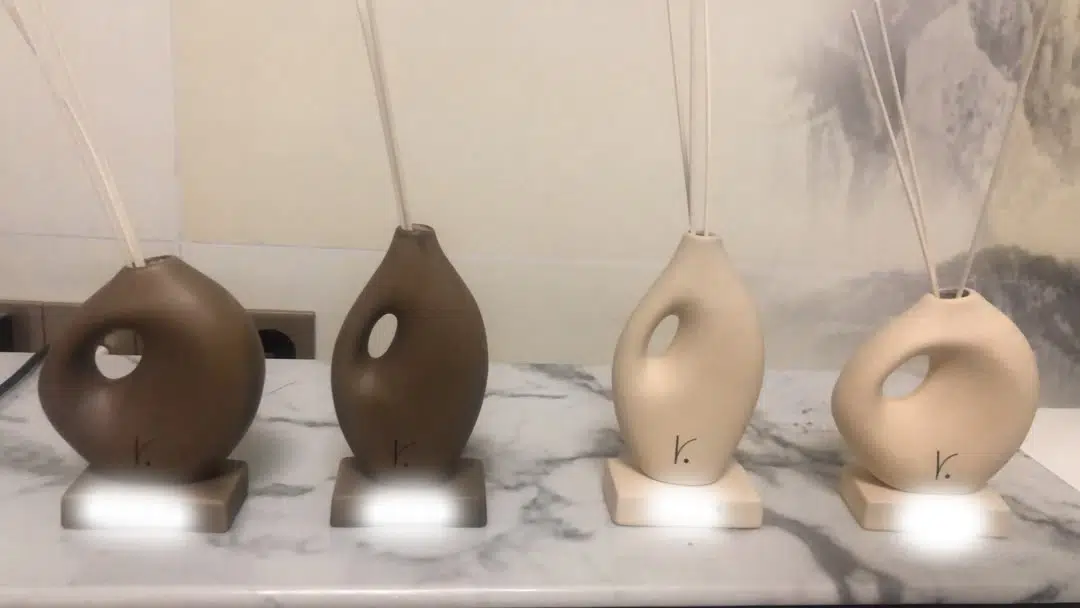
| Glaze color matching | The client supplied an exact color code; then a dedicated colorist mixed it, adjusted concentration and test-fired it |
| Fragrance formulation | Our in-house perfumer built the scent, and we supplied IFRA documents and MSDS content alongside it |
Who this article is for
- Right fit: new or growing home fragrance brands, DTC and subscription-box brands, interior design studios, hotel amenity brands, and gift or concept-store buyers who want their own shape and their own logo.
- Wrong fit: buyers who need 50 pieces of a stock item next week, or buyers who want a 1:1 copy of another brand’s product. We do not copy other brands’ designs.
Where it fits in your buying journey
| Your stage | Use this page for |
| Just an idea, no drawings | Understanding the real timeline and cost stages |
| Have drawings, need a factory | Seeing what a development package includes |
| Have a sample, ready to order | Seeing the 500 vs 1,000 pcs pricing logic |
Related reading: OEM / ODM service overview | about our factory | full service list
3. Layered Guide: Basics, Practical Method, and Hard-Won Experience
3.1 Basic layer – how a ceramic reed diffuser is different
Reed diffusers versus powered diffusers
A reed diffuser has no motor, no power cord and no water tank. Instead, scented oil climbs the reed sticks and evaporates from the top.
| Feature | Ceramic reed diffuser | Ultrasonic diffuser | Waterless / nebulizing diffuser |
| Power needed | None | Yes | Yes |
| Noise | 0 dB, silent, no moving parts | Motor and fan noise | Pump noise |
| Oil type | Oil plus carrier base | Water-soluble | Pure oil |
| Refill pattern | One 250 ml / 8.45 fl oz fill lasts 3-6 months | Fill per session | Bottle-based |
| Doubles as decor | Yes, it is a ceramic object | Rarely | Sometimes |
| Coverage area | 15 m2 / 161 ft2 with 3 reeds; 30 m2 / 323 ft2 with 6 reeds | Rated per model | Rated per model |
Two numbers worth memorizing before you design anything
A single 250 ml / 8.45 fl oz fill runs 3 to 6 months, and reed count is the dial that sets both duration and reach. For example, three reeds cover about 15 m2 / 161 ft2. Six reeds, by comparison, cover about 30 m2 / 323 ft2 but drain the bottle faster. Therefore more reeds is not automatically better; rather, it is a trade between reach and refill frequency. If you need a rated coverage figure instead of a passive estimate, compare our powered ranges: waterless diffusers and ultrasonic diffusers.
Why thinner glaze is not simply better
Now the technical point most buyers miss. Glaze thickness controls the frosted, stone-like surface, but thinner is not simply better. The colorist mixes glaze slurry to a measured concentration, and for this kind of sand glaze the useful window sits around 28 to 32 degrees. Go too thin and the color washes out. Light tones, of course, tolerate a thinner coat. Dark tones, on the other hand, need real concentration, otherwise you get visible color deviation from piece to piece. In short, getting a matte stone look and a consistent dark color at the same time is a concentration problem, not a “use less glaze” problem.
3.2 Practical layer – what was in the default package
The eight-item default package
This is the exact default configuration from the project quotation. We trimmed nothing and cherry-picked nothing.
| # | Item | Included by default | Spec as quoted |
| 1 | Ceramic diffuser body | Yes | Hand-sculpted, custom glaze color |
| 2 | Ceramic base | Yes | Matching base, part of the quoted set |
| 3 | Engraved logo | Yes | Sculpted into the ceramic, not printed |
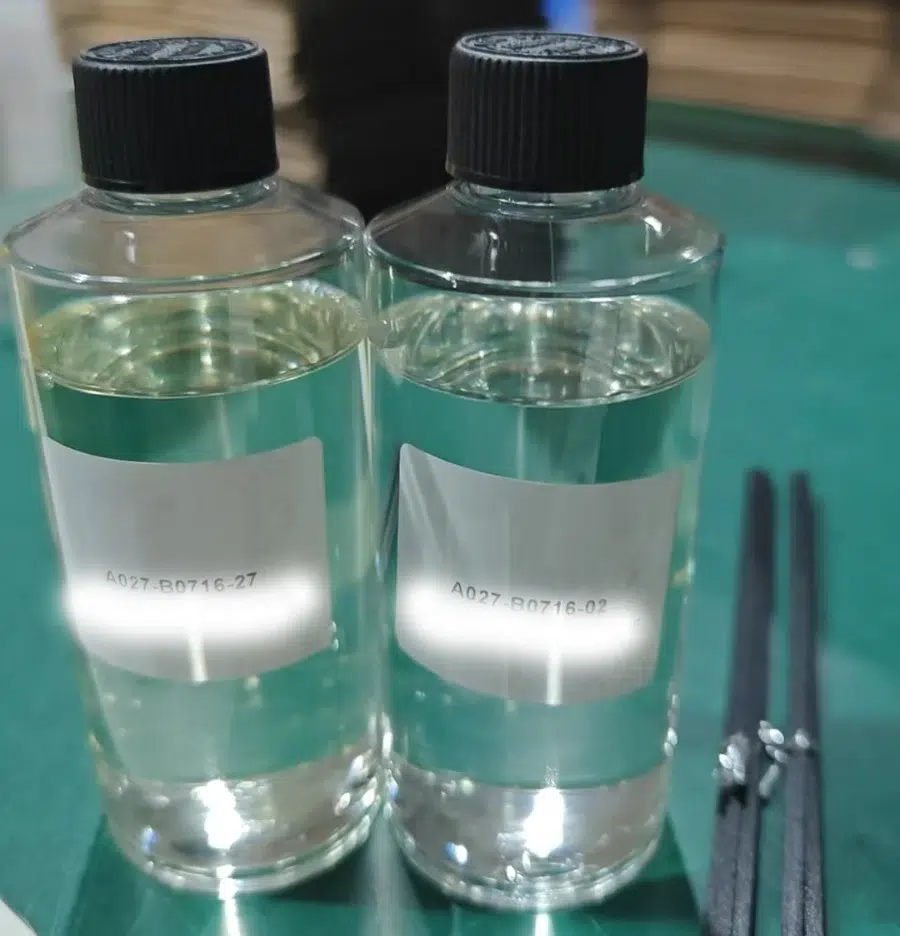
| 4 | Oil bottle | Yes | 250 ml / 8.45 fl oz, PET, transparent |
| 5 | Private label on bottle | Yes | You supply the artwork, or we design it for you |
| 6 | Reed sticks | Yes | 3 rattan sticks per set |
| 7 | Fragrance oil | Yes | Two grades offered: premium and standard |
| 8 | IFRA and MSDS documents | Yes | We provide these once you select the scent and confirm the order |
Default versus paid options
Do not mix these two columns up.
| Item | Status | Cost impact |
| Ceramic body, base, engraved logo | Default | Included |
| 250 ml / 8.45 fl oz PET bottle with private label | Default | Included |
| 3 rattan reed sticks | Default | Included |
| Natural off-white reeds | Default | Included |
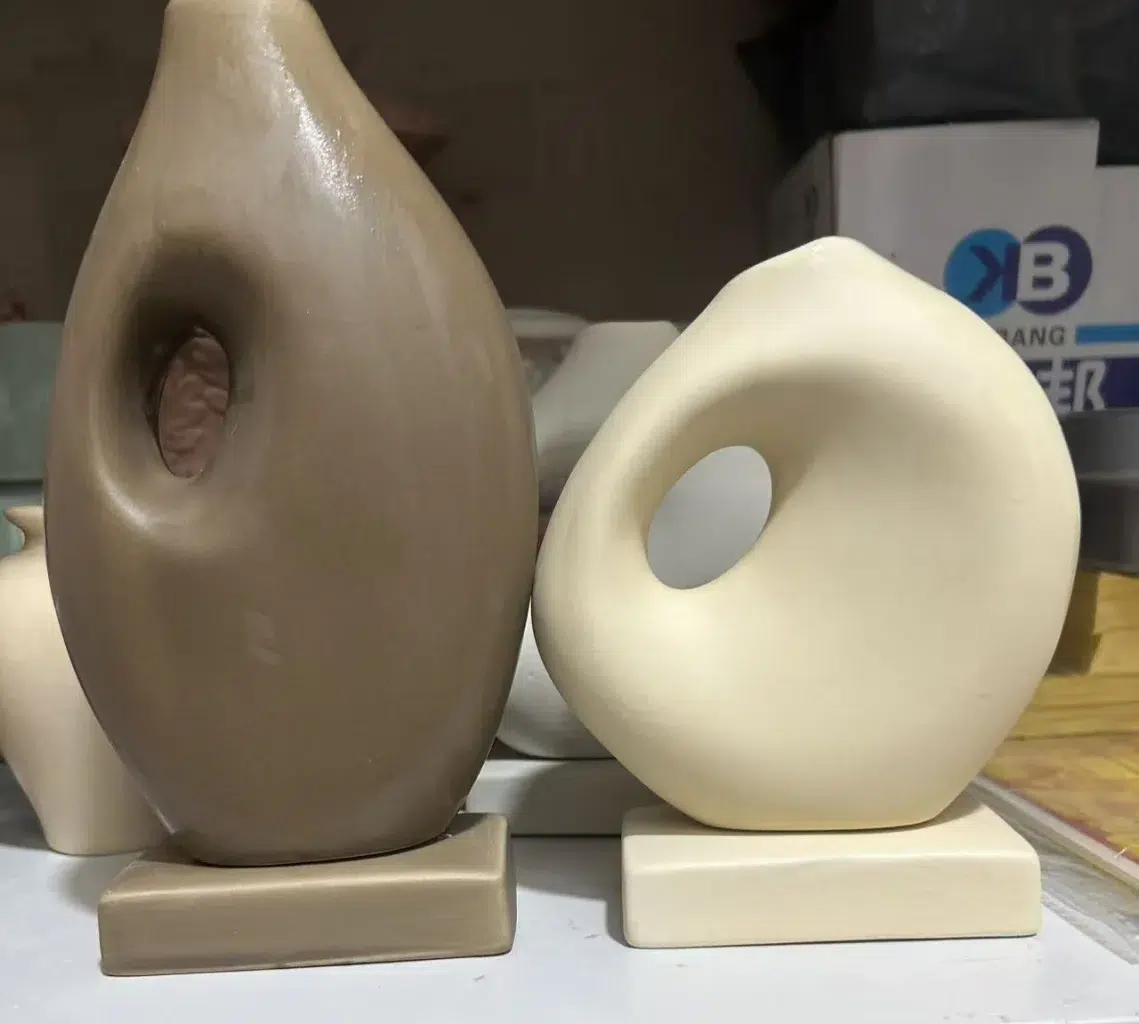
| Second glaze color | Default on this project | No extra charge within this project. We produced and shipped both colors; we quote this per design |
| Black reed sticks | Option | Not natural reed, synthetic; we quote on request |
| Retail gift box | Not included | We quote this separately, after the ceramic is final |
| A second model shape | Option | Each shape needs its own carving and its own mold |
| New base mold | Option | Needs a new mold; we quote per design |
| Volume or dimension changes | Option | Re-carve, re-mold and re-fire; we quote on request |
Key dimensions and volumes, in dual units
| Parameter | Metric | US |
| Target design diameter | 5.5 cm / 55 mm | 2.17 in |
| Target design height | 13 cm / 130 mm | 5.12 in |
| Ideal internal capacity target | 300 ml | 10.14 fl oz |
| Retail fill volume, 80% of capacity | 250 ml | 8.45 fl oz |
| First fired result, above target | 350 ml | 11.83 fl oz |
| Second attempt, below target | 200 ml | 6.76 fl oz |
| Sample shipment weight basis | 2 kg | 4.41 lb |
| Custom oil formulation MOQ | 5 L | 169.07 fl oz |
| Glaze slurry concentration window | 28-32 degrees | Same |
| Electrical spec | None. Passive product, no volts, no watts, 0 dB | Same |
3.3 Deep layer – the schedule we planned vs the schedule we lived
The plan we agreed at concept stage
At the concept stage we built a shared project schedule with the client, so that both sides could see every step, its owner and its deadline. This was the plan:
| Step | Owner | Planned days |
| Design based on customer requirement | Factory | 14 |
| Design confirmation | Customer | 3 |
| Make new sample and run related tests | Factory | 7 |
| Sample ship out and customer confirmation | Customer | 12 |
| Sample improvement | Factory | 5 |
| Customer confirms final proposal | Customer | 3 |
| Tooling | Factory | 3 |
| Final sample and reliability testing | Factory | 4 |
| Final sample confirmation | Customer | 10 |
| Mass production and shipment | Factory | 30 |
What actually happened, day by day
Now the honest version, taken from the dated project log:
| Date, 2026 | Event |
| 13 Jul | First inquiry. We disclose we have never built a reed diffuser before |
| 18 Jul | We estimate dimensions at 5.5 cm / 2.17 in diameter and 13 cm / 5.12 in height |
| 19 Jul | Client sends the exact glaze color code |
| 20 Jul | Deposit paid. Sample clock starts. We estimate about two weeks |
| 26 Jul | Hand-carved version 1 done. The sculptor had enlarged the shape to gain volume. Rejected, re-carve |
| 30 Jul | Corrected mold complete, glaze color matching begins |
| 1 Aug | Perfumer finalises the fragrance formula |
| 7 Aug | Slip casting complete, air-drying before firing |
| 11 Aug | We measure the first fired pieces. Large model at 350 ml / 11.83 fl oz against the 300 ml / 10.14 fl oz target. Re-carve |
| 19 Aug | Next fired piece measures only 200 ml / 6.76 fl oz. Re-carve again |
| 24 Aug | Final firing passes inspection |
| 26 Aug | Two models, both colors, engraved logo, oils and reeds photographed and shipped |
Why the gap opened, and what it teaches
The gap is the lesson. We estimated about two weeks. In the end, from the day the deposit landed to the day finished samples shipped was 37 days, because we had to dial in internal capacity over three rounds.
Here is why that takes so long, and it is not what most buyers assume. You cannot measure the capacity of a carved piece while it is still clay. Wet clay simply cannot hold water. First the piece has to dry fully, then it goes through the kiln, and only afterwards can you pour water in and read the real internal volume. Consequently, every capacity correction costs you a full cycle: re-carve, re-mold, cast, air-dry, fire, then measure. Three corrections, therefore, means three full cycles. Anyone who promises you a 10-day hand-carved ceramic sample has not run that loop.
Related reading: a second ceramic project case | how to wholesale aroma diffusers from China | IFRA fragrance safety library
4. How to Apply This to Your Own Launch
4.1 Know when 3D printing helps and when hand carving is the right call
Why we skipped 3D printing on this project
People discuss 3D printing as if it were the default answer for ceramic prototyping. On this project, however, we did not use it. Instead, we went straight to hand carving and mold making, and that was the correct call.
The reason is simple. The target shape modified a form we had already produced, and it was not a difficult geometry. Bringing 3D printing into that adds a step without removing a risk.
Choosing your prototype route
| Situation | Better route |
| Shape modifies an existing form | Hand carve directly, then cut the mold |
| Shape is simple, low geometric difficulty | Hand carve directly |
| Shape is complex or hard to carve by hand | 3D print the master, then take a mold from it |
| You need several shapes compared before choosing | 3D print for appearance check, mold only the winner |
| You have design-fee budget and capacity must be right the first time | 3D print the master, because you can verify capacity at the design stage, before anyone cuts a mold |
When design-fee budget changes the answer
If you have design-fee budget, 3D printing is worth trying. The value is not the printing itself; rather, it is when you get to measure. A 3D-printed master lets you verify internal capacity before anyone cuts a mold. Carved wet clay, by contrast, cannot hold water, so on the hand-carving route you can only read capacity after air-drying and firing. In practice, what the extra design fee buys you is moving capacity verification from after firing to before tooling. We did not take that route on this project, and as a result the cost was three full firing cycles. So if your launch date is tight, or capacity has to land first time, that fee usually pays for itself.
Firing is the real question to ask a supplier
Some context is worth having here, because it changes how you brief a factory. Chinese craftsmen have sculpted ceramics from clay for thousands of years. 3D printing, meanwhile, only entered sample replication in recent years, and a 3D-printed master is not automatically usable for ceramic production. Ceramic is not resin craft and it is not plastic craft. Ultimately, the difference that matters is firing.
Firing is the hard part, and it is hardest at scale. Making one good sample is not especially difficult. Making the same piece repeatedly, at consistent volume and consistent color through a kiln, is where projects actually fail. Therefore the real question to ask a supplier is not “can you 3D print this” but “can you fire this shape consistently in production quantities.”
4.2 Plan a color family, not a single color
The brand planned a five-color launch family: ivory, olive green, terracotta, midnight blue and matte black. We recommended leading with the neutral tone, for a commercial reason: neutral colors match more interior styles, so they sell into more homes. Bright statement colors, by contrast, are a second-wave move, once you know who your customers are.
On this project the second glaze color carried no extra charge within the project scope, and we quote this per design. Moreover, we produced and shipped both colors so the founder could judge them side by side in real light. Ask for that. After all, comparing two fired colors in your hand tells you more than any screen swatch, because dark tones need higher glaze concentration to stay consistent.
Practical rule: launch one shape in one neutral color, prove it sells, then extend.
4.3 Decide the fill volume before you design the shape
This project chased capacity through three firing cycles, because the shape came first and the volume came second. Do it the other way around instead.
- First, choose your retail oil volume. Here it was 250 ml / 8.45 fl oz.
- Next, add headroom. A 250 ml fill is 80% of a 300 ml / 10.14 fl oz internal capacity.
- Then decide your reed count, because it sets coverage and refill rhythm: 3 reeds for about 15 m2 / 161 ft2, 6 reeds for about 30 m2 / 323 ft2.
- Only then let the sculptor design the outside.
4.4 Budget for packaging as a separate project
We deliberately excluded retail gift boxes from the sample package, for two practical reasons. First, a sample box for each of two models is expensive. Second, accurate box pricing needs a 1:1 replica of the real ceramic. Reed sticks also stand tall, so the box ends up bigger than founders expect, and wasted space costs money. Finish the ceramic first, then quote the box.
Related reading: essential oil wholesale | natural essential oils | perfume fragrance oils
5. Five Mistakes This Project Exposed
Mistake 1 – Thinking a more complex shape sells better
The founder wanted something nobody else had, which is fair. However, the market points the other way. Round, simple shapes are the mass-market favorite, whereas sharp, aggressive shapes get poor public acceptance. Our exact words in the chat: “if you enter a design competition and win an award, but nobody buys it, that’s terrible.” In the end, material, texture and color are what make a simple object memorable.
Mistake 2 – Assuming capacity can be checked before firing on the hand-carving route
This is the single most expensive misunderstanding in ceramic development. You cannot fill carved clay with water, so nobody can verify internal capacity until the piece dries and fires. Consequently, every volume correction costs a complete cycle. Budget your launch calendar around firing cycles, not around carving days. Alternatively, if capacity cannot slip, take the 3D-printed master route in section 4.1.
Mistake 3 – Assuming 500 pcs and 1,000 pcs cost about the same per unit
They do not. At 500 pieces the unit price runs roughly 10% higher than at 1,000 pieces, and it stays about 10% higher if you split the run across two different models. Kiln setup, mold cost and added production complexity all spread over fewer pieces. Specifically, ceramics and packaging boxes are the two most volume-sensitive lines.
Mistake 4 – Chasing a texture the material cannot produce
The founder shared rough, porous stone references. That level of roughness works in Italian travertine, in cement, or in a pressed imitation stone that combines resin with carborundum and stone powder, but not in fired ceramic. So if the rough porous look is non-negotiable, change the material, not the supplier. Above all, match your reference material to your production material before you fall in love with a finish.
Mistake 5 – Ignoring bank fees on small development payments
Each wire transfer on this project cost the client roughly USD 35 in fees, and one payment arrived short of the invoice because of intermediary charges. On a small development invoice, that fee is a real percentage of the bill. Therefore, ask about lower-fee payment options, and roll small balances into the next invoice instead of wiring them separately.
Bonus mistake – assuming reed sticks all mean the same thing
They do not. Natural reeds and black synthetic sticks look similar in a photo, yet they behave differently in oil. Confirm which one your quotation covers.
6. FAQ
Development package and deliverables
- Does the sample quotation include the complete development package, or only the ceramic container?
A:We recommend requesting a quote for the complete package, which includes the ceramic vessel, private-label fragrance oil, reed sticks, the gift box, and shipping costs. Please note that the exact costs for packaging and shipping can only be confirmed after the samples are produced; however, you can provide the capacity specifications, and our sales team can help you with an estimate. - After paying, will I receive a finished prototype that shows exactly how the product will look on the shelf?
A:You will receive a finished prototype that is virtually identical in appearance to the retail product. We then await your feedback on the sample so we can make any necessary improvements. - Will the prototype include my engraved logo so I can judge logo quality?
A: The prototype includes an engraved and painted logo; you can send us the logo file in any format or a clear image. - If your team designs my bottle label, who owns the final artwork files afterwards?
A: If you request a custom label, you own the design rights; however, if you base your design on our existing generic label, the design rights belong to us. - Can I have the sample shipped before the gift box is finalised, so I can start photography earlier?
A: Certainly. I can arrange to have a few extra sets of samples made: one to send to you, one for the packaging supplier to use for measurements, and one to keep here as a backup.
Timeline
- How long does it realistically take to get a hand-carved ceramic prototype?
A: In reality, it takes only ten days to see the first sample complete with the logo, essential oil, and reed sticks. The project featured in this blog took 35 days because three rounds of samples in different sizes were produced. - If the first firing misses target capacity, how many days does one correction cycle add?
A: The correction cycle is also 10 days, involving the following steps: re-carving, air-drying, glazing, firing, and logo engraving. - What is the full timeline from design confirmation to mass production shipment?
A: https://docs.google.com/spreadsheets/d/1LvhGP5pheSJ5elhVQOM2yQvP6H_5w5U9poAIqqDHIbw/edit?usp=sharing
Click the schedule to view the Google Sheet; the total estimated time from concept to the completion of mass production is three months.
Pricing and volume
- Is the repeat-order lead time shorter than the first order, now that the mold already exists?
A: Yes, repeat orders eliminate the need for the tedious R&D steps involved in initial production—such as design, prototyping, validation, modification, shipping, further adjustments based on feedback, and re-validation. You simply need to allow 30 to 45 days for mass production. - If I split the order across two different models, do I lose the volume benefit?
A: Yes, there is a price difference of approximately 3–10% between orders of 500 and 1,000 units; this is primarily due to the allocation of setup costs, as well as increases in labor and raw material costs. - At what order quantity does a second glaze color stop adding cost per unit?
A: 5000Pcs - Are development and mold costs refundable after a production order is confirmed?
A: Design and mold costs are refundable on volume orders. The exact threshold differs by project and is confirmed on the quotation. See the full customization cost table.
Performance and fragrance oil
- Does a taller ceramic neck slow evaporation compared with a wide opening?
A: Yes, but the impact is negligible, and the area of spread remains virtually unaffected. - Should the reeds be flipped, and how often, to keep the scent throw consistent over 3-6 months?
A: It is recommended to flip it every two weeks to prevent clogging. - What is the MOQ for a custom fragrance formulation, and can I get free oil samples as a new customer?
A: The minimum order quantity (MOQ) for custom fragrances is 5 liters, although the MOQ for a small number of premium fragrances is 25 liters. New customers may obtain free samples if selected from our existing range of over 500+ scents; however, a fee applies to custom fragrances. Please use a corporate email address to request free samples. - Will I receive the full composition, IFRA documents and MSDS content?
A: Documents such as IFRA, MSDS, COA, and allergen information can be provided after the order is confirmed.
Design, color and finish
- Can I supply my own HEX or CMYK color code for the glaze, and how close can a fired glaze get to a screen color?
A: Colors displayed on screens may vary, so it is best to provide us with a Pantone color code; this allows us to match the color against a physical reference, ensuring an exact match without color deviation. - How much piece-to-piece color deviation is normal in a fired production run, and what is your accept limit?
A: If you provide us with the Pantone color code, the difference will be indistinguishable to the naked eye. - Does glaze concentration change internal capacity enough to matter?
A: Capacity is independent of glaze concentration. - What is the shrinkage rate from a 3D-printed master to the fired piece, and who compensates for it?
A: 3D molding is a highly mature process; for shapes we assess as suitable for this method, the fired finished product is a precise 1:1 replica of the 3D prototype. Conversely, shapes deemed unsuitable often suffer from issues such as deformation after firing—distinctions that rely entirely on the artisan’s experience. - Can a square platform base be added under a round body, and does that need a new mold?
A: That is certainly feasible. In this specific case, a square base is simply added; this requires an additional mold, but the cost is so low that it is negligible.
7. Send Us Your Project
If you are developing a ceramic reed diffuser, a stone-look diffuser, or a private label home fragrance line, send us the messy version of your idea. Inspiration photos are fine. Rough sketches are fine. Even “I don’t know yet” is fine, because this founder started there too.
Useful things to include in your first message
| Tell us | Why it helps |
| Your target retail price and market | Lets us aim the cost engineering correctly |
| Your target oil volume in ml / fl oz | The shape gets designed around the volume, not the reverse |
| The room size you are designing for, in m2 / ft2 | Sets reed count: 3 reeds for 15 m2 / 161 ft2, 6 reeds for 30 m2 / 323 ft2 |
| First order quantity you are considering | 500 vs 1,000 pcs changes the unit price by about 10% |
| Your glaze color code in HEX, RGB or CMYK | Goes straight to the colorist for a test firing |
| Whether you need gift box design | We quote this as a separate stage, after the ceramic is final |
| Your logo file and where you want it engraved | Engraving position affects mold design |
| Your launch date | Tells us whether the firing cycles fit your calendar |
Wholesale direct from our China factory. Finally, a word on how we work: we will tell you what we have not made before, we quote only the parts we can stand behind, and we mark anything untested as to be confirmed, exactly as we did on this project.
Start here: OEM / ODM development | custom ceramic and stone diffusers | browse all products | more case studies


 English
  Spanish